Purpose
About the Project
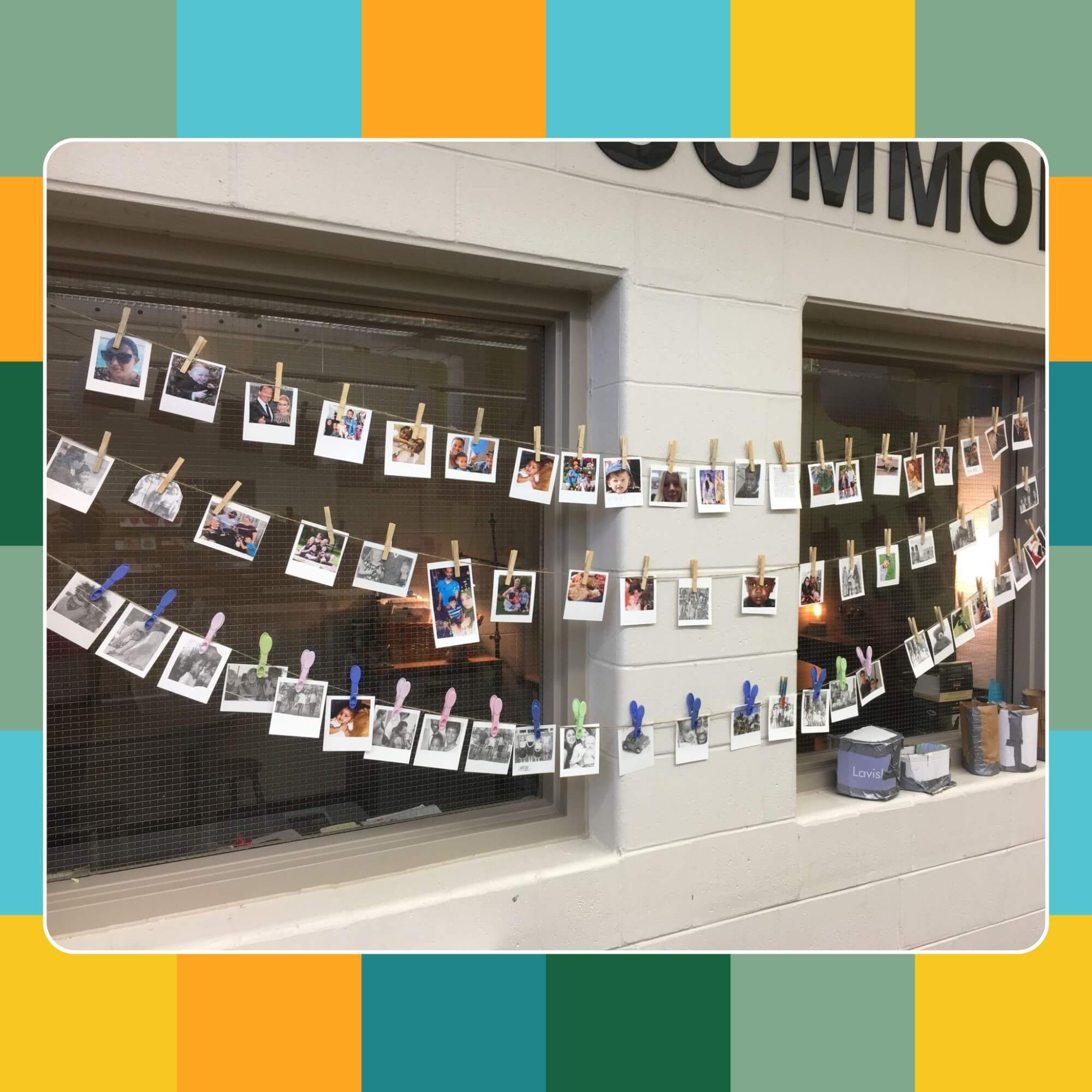
CLICK is part of a body of research that examines how children experience, understand, and create images in their lives.
CLICK focuses on critical visual literacies and understanding how children can develop critique and find pleasure in the image-based texts they encounter. Photographic images are everywhere and often superficially understood. As part of this inquiry, children are often positioned as co-researchers, whereby they pose and answer questions important to them. Images are the vehicle to help us understand literacies more broadly. Issues of sustainability and diversity are central to our inquiries.
Project overview and goals
Broad objectives for this research are:
a) to build a corpus of children’s images–collected, taken, and analysed by them–in order to build their capacities as future digital citizens and literate beings;
b) to study and enhance slow and flexible literacy pedagogies that allow children to connect with others and create new understandings of important social and environmental issues; and
c) to develop collaborative ways of doing research ‘with’ rather than ‘on’ children, in ways that build ethical research practices and produce new insights.
Research focus and approach
Throughout the initiatives presented here there are several key elements:
Collaborating with educators to ensure that research activities consider their pedagogical practice and work for their learners
Taking time to build relationships, with schools, educators, children, families, and communities
Working with artists in order to disrupt research-as-usual and see what emerges when we engage with locally relevant issues and arts-informed research practices
Placing children’s perspectives and interests at the forefront to expand what we understand about literacies and meaning making broadly.
Why this work matters
What stories might children tell about their spaces, contexts, and everyday lives and their responsibilities and roles as local and global citizens? Photographer-educator, Wendy Ewald, has collaborated with children around the world to develop their storytelling expertise through photography. Ewald believes that “having a camera gives anyone power, but particularly children” (Ewald, Barrett & Salyer, 2020).
Images shape our lives more than ever. In The Social Photo, Jurgenson, writes, “With every passing decade, it is always said that photography now matters more than ever, and the statement is always true (2020, p. 11). Today, people constantly take and share images to document everyday life, raising questions about how this widespread visual culture affects society.
Photos can reveal, disturb, or numb us (Sontag, 1977), yet images are still often overlooked in education. We must learn to analyze the images that surround us. According to UNESCO researchers (Hopkins et al., 2020), today’s children are “visualizers,” but schools often miss the opportunity to support visual learning. They argue that the 21st century is the “age of the image,”. Critical visual literacies must be tied to real social issues.
Participatory or collaborative research shifts power by involving participants as co-researchers rather than subjects. This approach is valued because it is inclusive and provides deeper insight into how young people communicate and make meaning through images and visual culture. When researchers and children share roles in this way, it can also influence classroom practice—teachers, like researchers, become learners alongside students.
This research examines what it looks like to shift from an adult gaze on children, to children viewing and framing their own lives through their visual literacy practices, and children offering insights into research data.
Research Approach and Phases
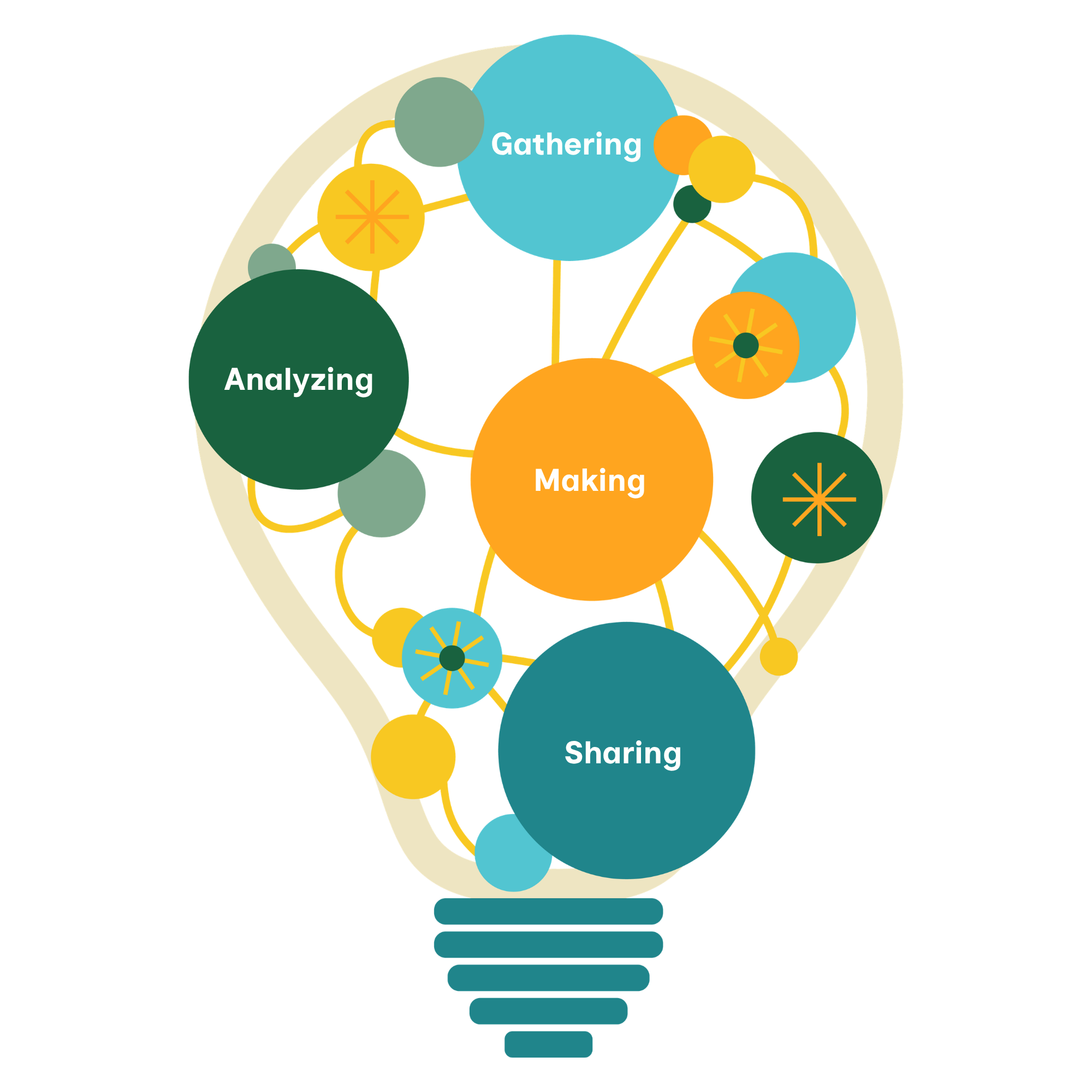
Gathering
Children gather images that surround their lives, at home, school, and community.
Analyzing
Children, together with teachers, researchers, and teacher candidates, review the data generated and devise methods for deciding what is important and build tactics or methods for analysis.
Making
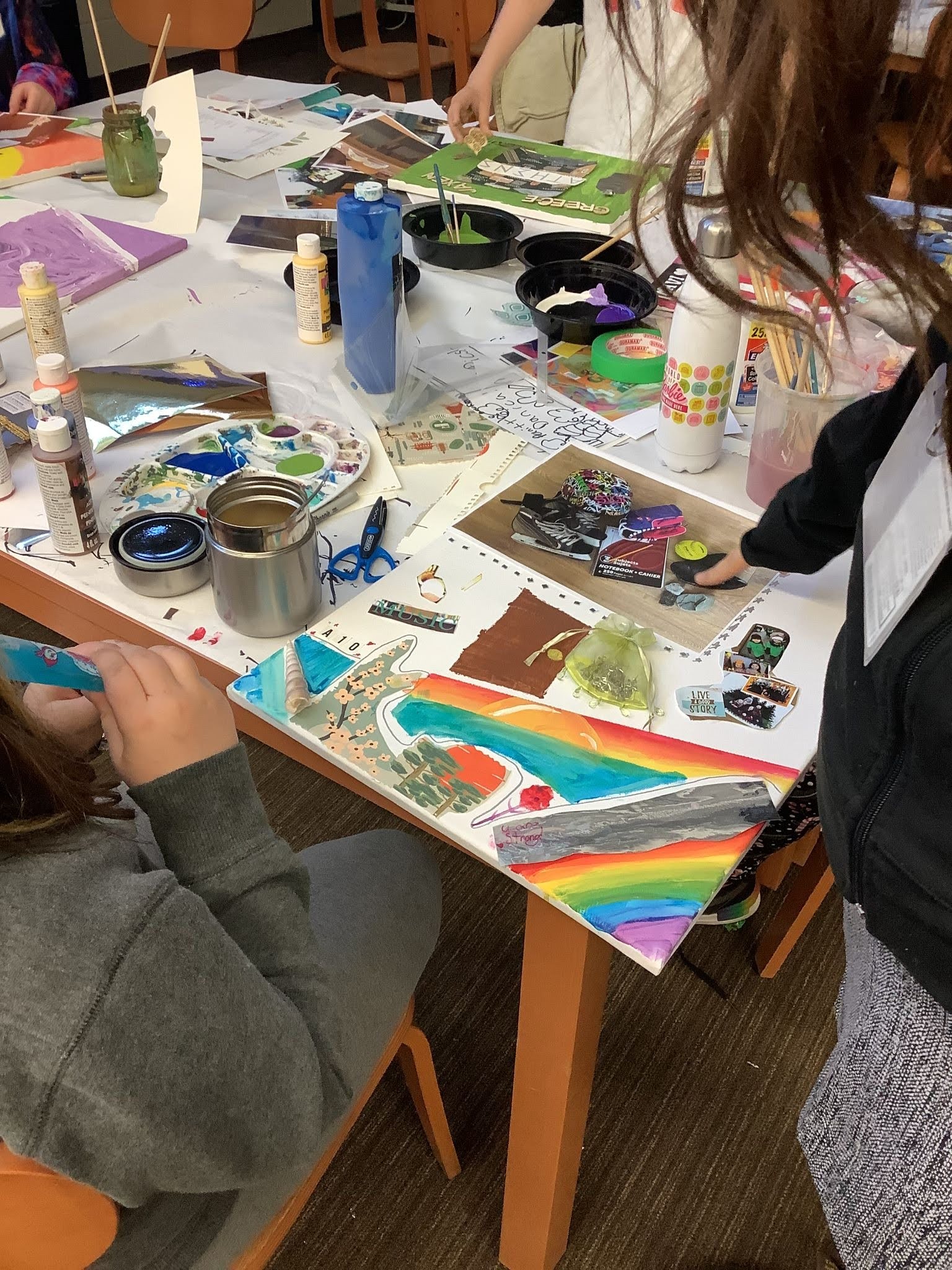
Children, along with teachers and researchers, choose a focus (i.e., environmental change, food insecurity, gender identities), engage in arts workshops, and create their own images to share ideas and issues.
Sharing
Children reflect on gathering, analyzing, and making to decide how they will share the insights they have gained. Outputs could include photographs, poems, essays, art products, podcasts, or videos.
Research Stories
2026-2028
CLICK: Critical Literacies – Images
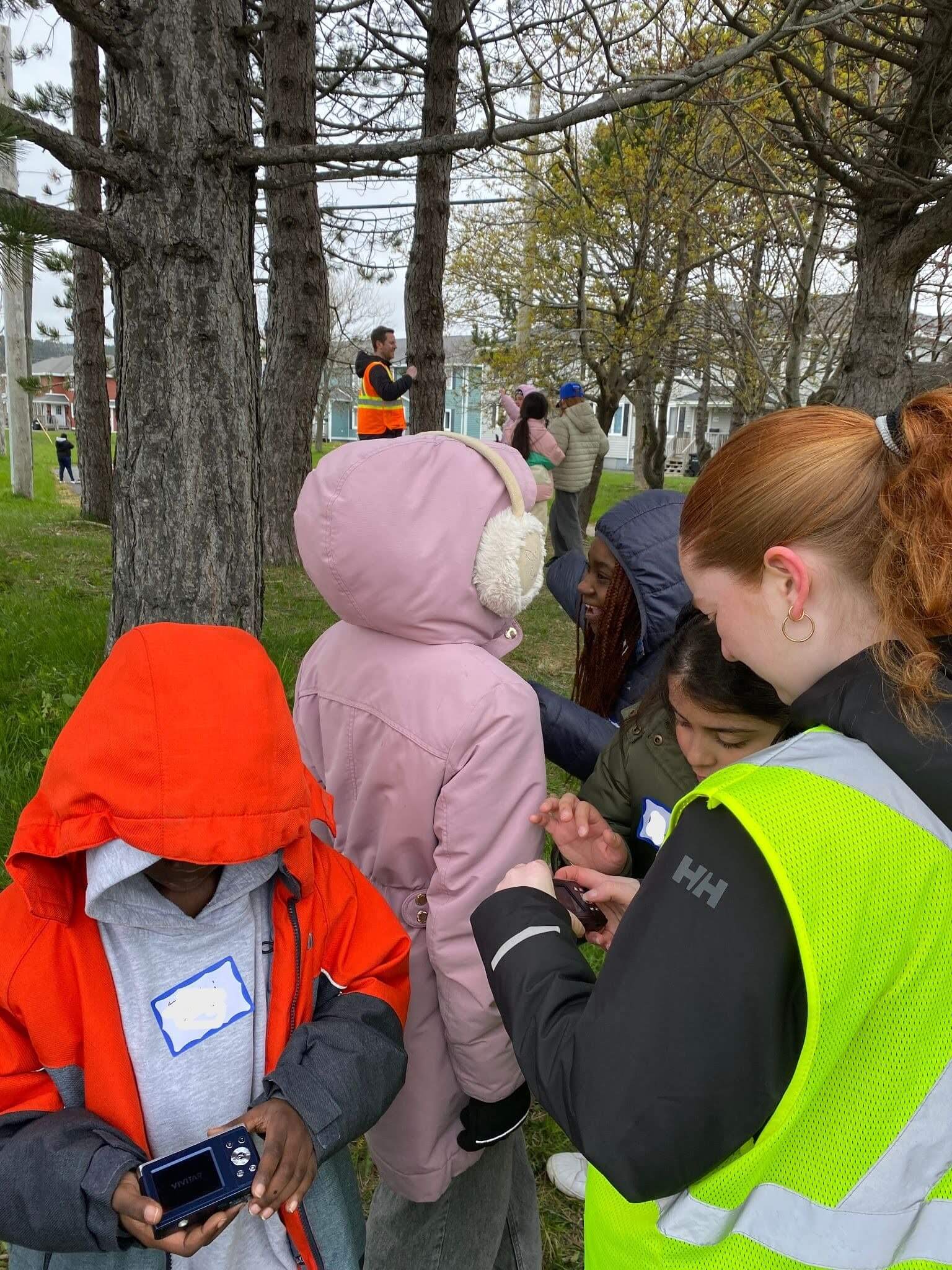
New study of children (5-9 years old) will involve gathering, analyzing, and making/taking photos about a local issue important to them. Children will share photos with distant others and will create materials to share about their research processes.
COMING SOON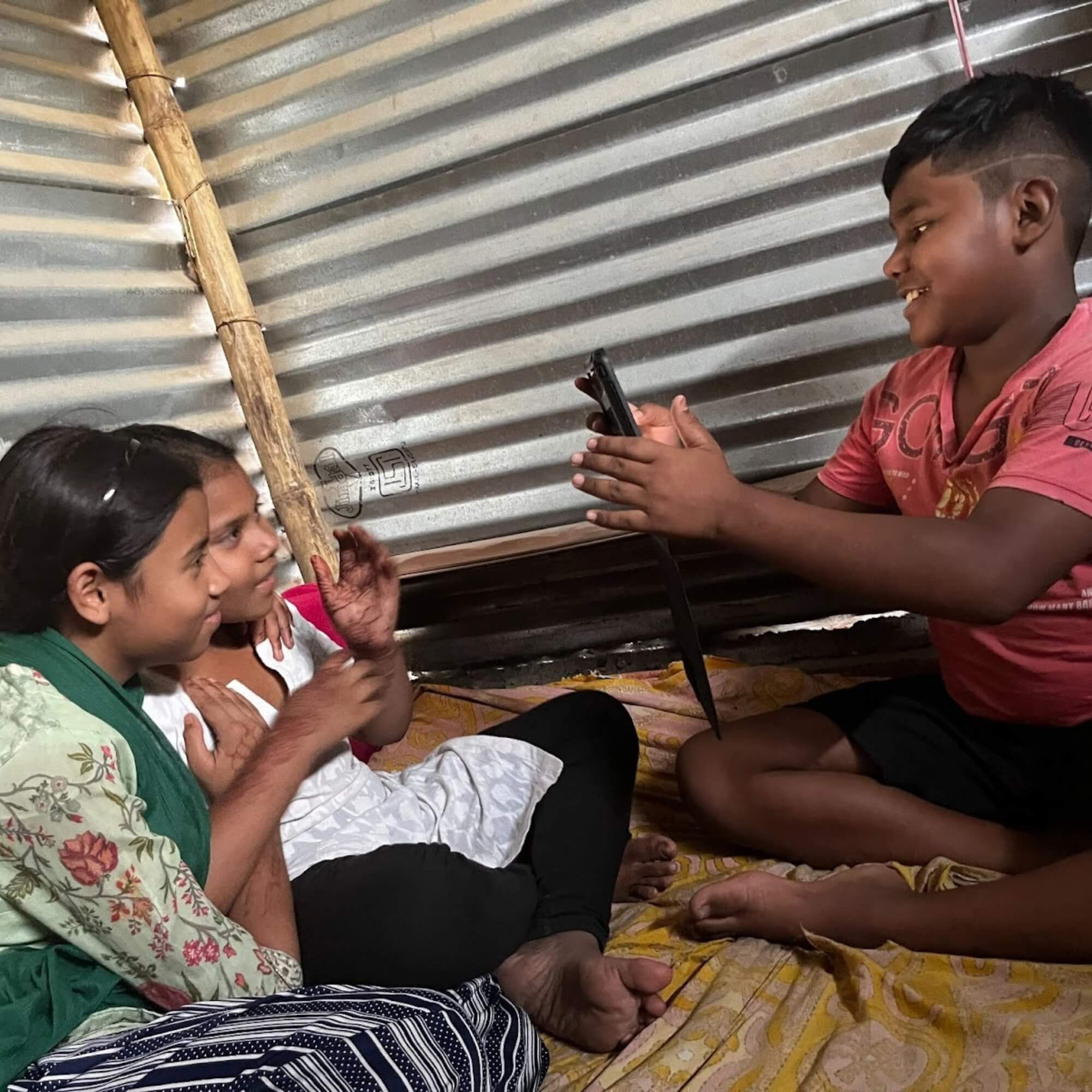
2024
Sketching Out Their Stories: A Participatory Visual Research with Migrant Children in a Slum in New Delhi
* Led by PhD Candidate, Simranjeet Kaur
Children in an urban slum in New Delhi created and analysed photographs of their identities and communities. They also corresponded and shared photos and comments with research participants in the Niagara Region, Ontario.
2024
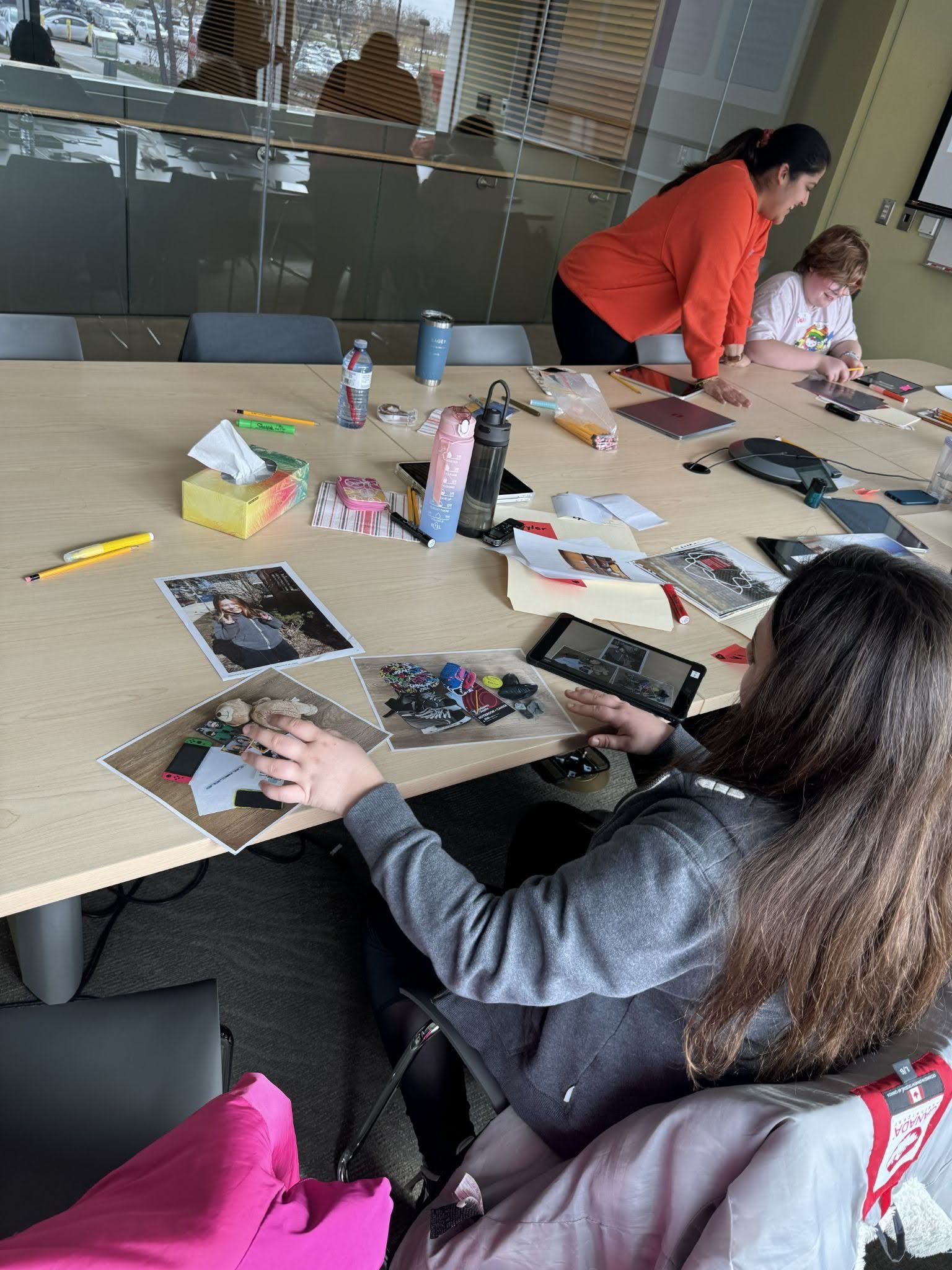
Revisiting The Selfie Project (Visualizing Citizenship)
A subset of children from 2023 study revisited their data and engaged in a series of data analysis activities involving coding, sorting and prioritizing photos, as well as create new written and oral stories about their participation.
Research Story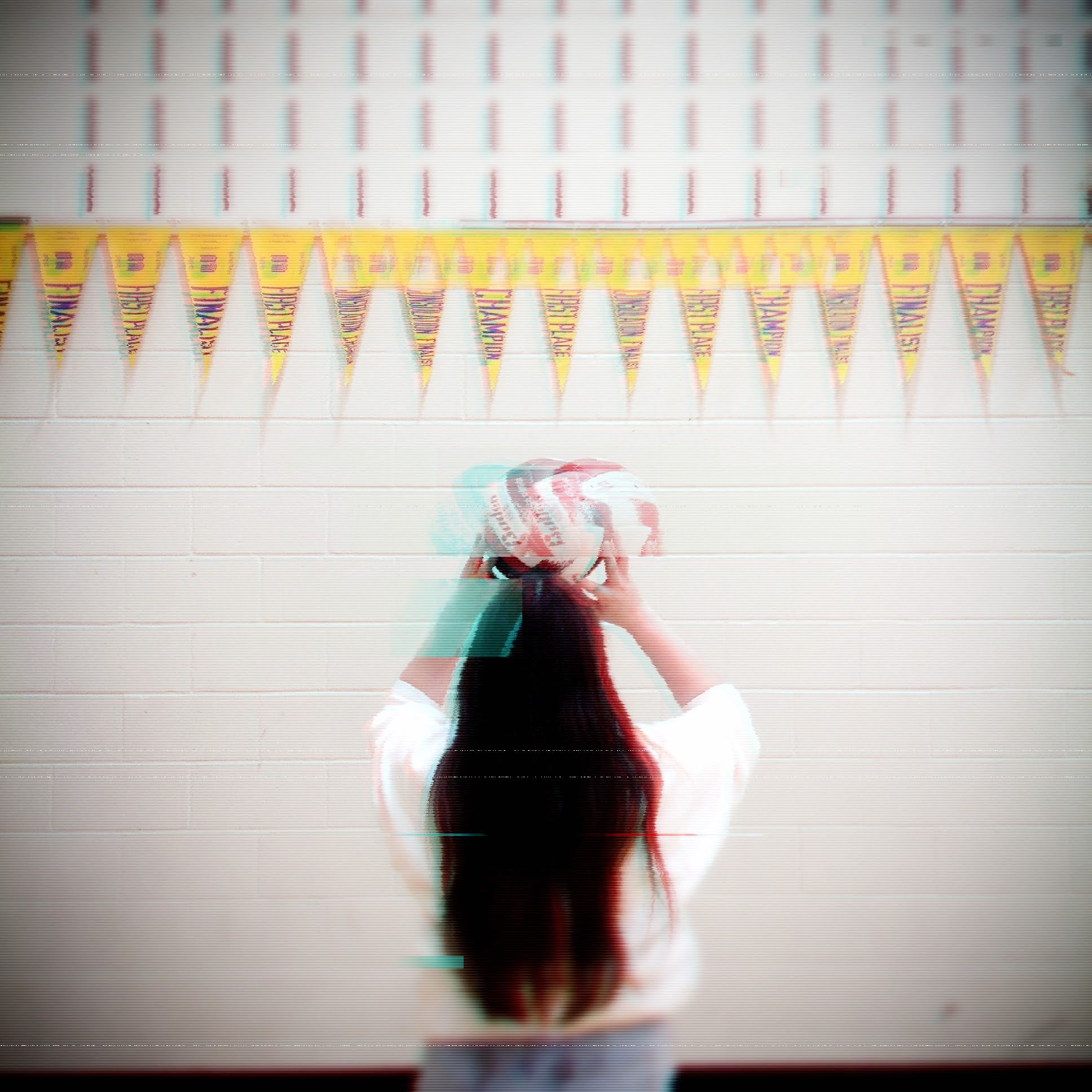
2023
The Selfie Project (Visualizing Citizenship)
Children aged 9-13 yrs engaged photo-taking knowledge by using arts and digital approaches to compose photographs that disrupted ‘selfie’ as cool and posed to selfie as learner, family member and community member.
Research Story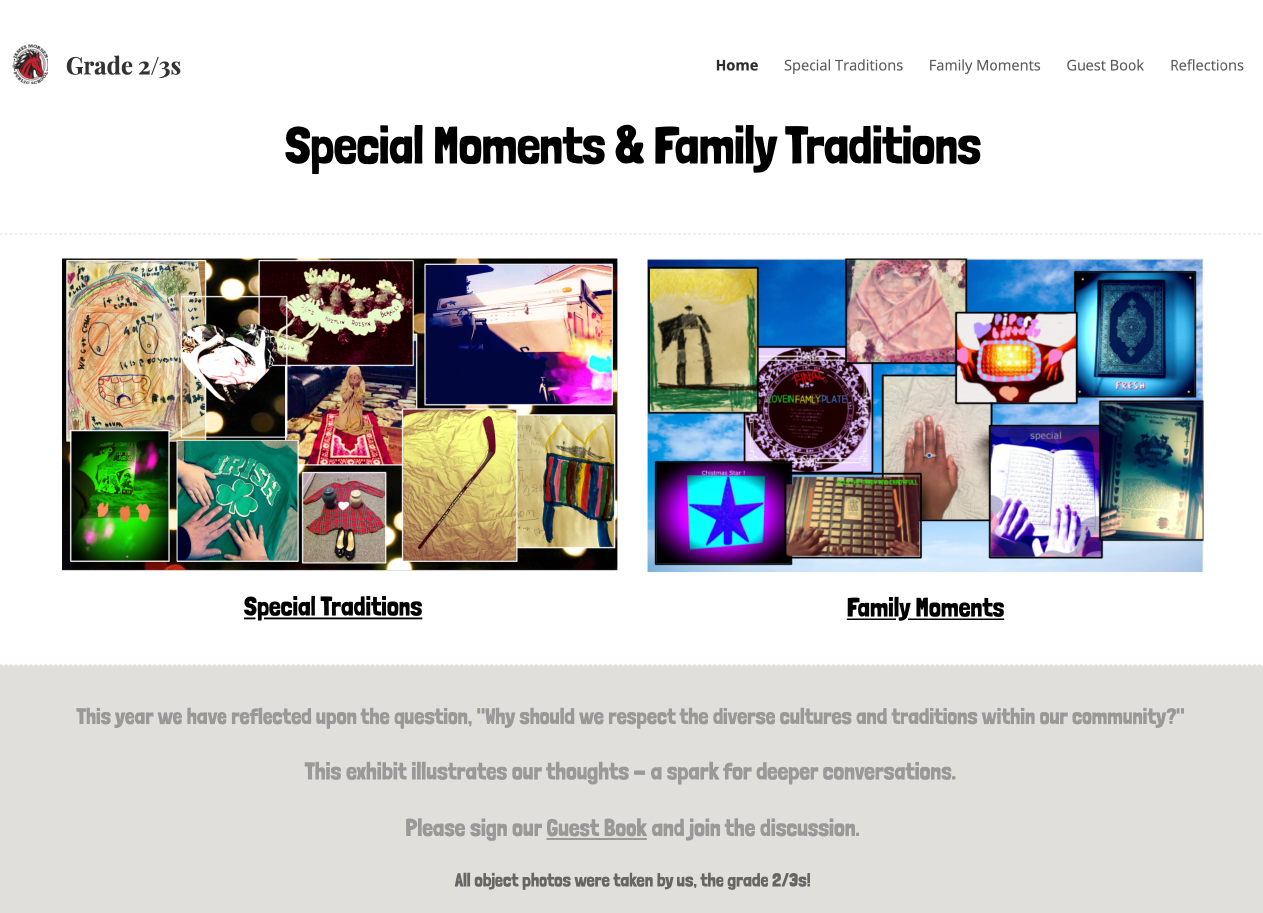
2019-2021
Family Artifact Photo Study (Visualizing Citizenship)
Children in Gr 2/3 took and remade photos of family artifacts and created other multimodal texts with the intention to build understanding across cultural differences.
Research Story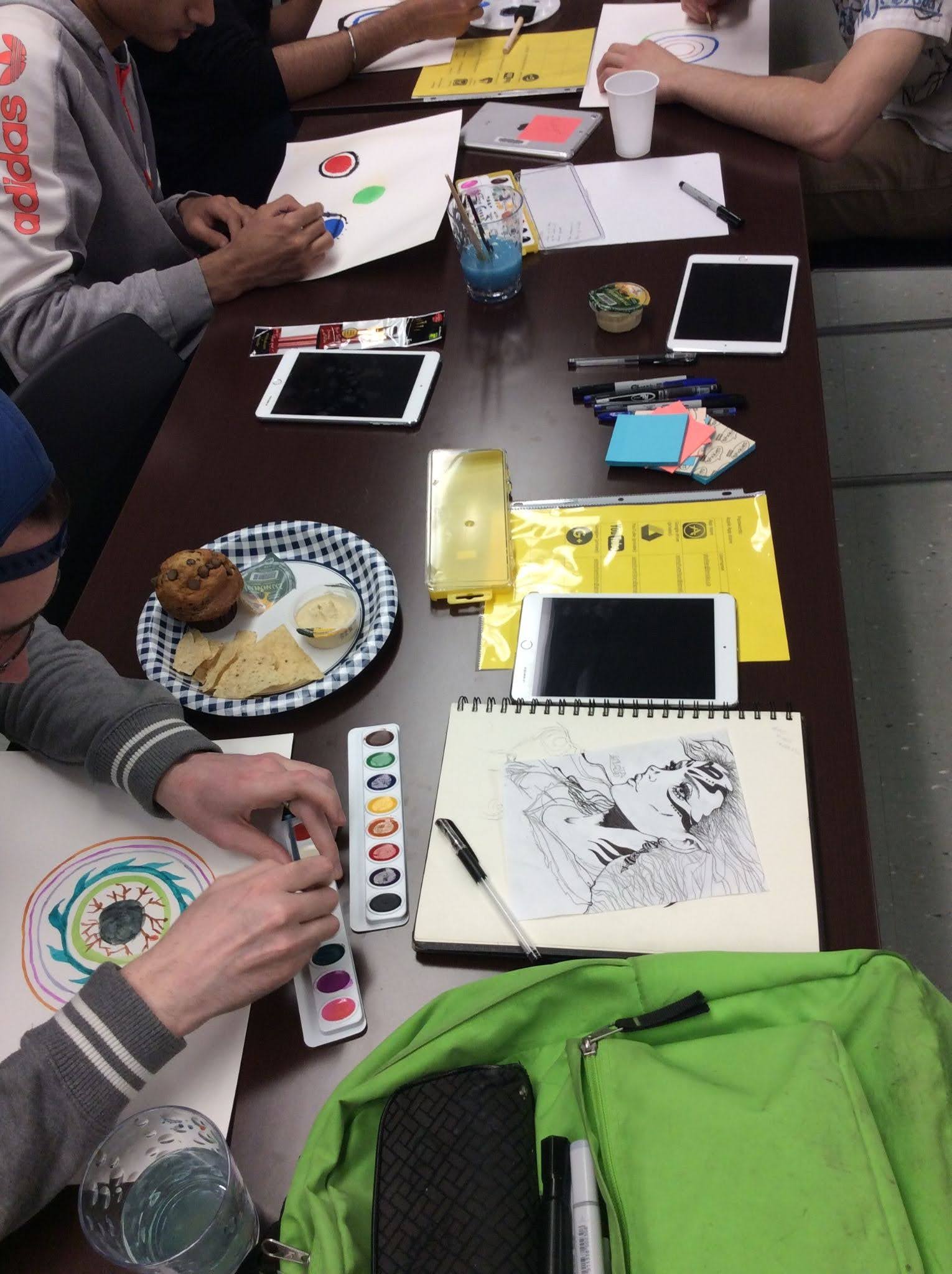
2016-2018
YOMO: Youth Mobilities in Public and Digital Spaces
Study of digital lives and also included photography and photo-editing as youth represented their digital lives – comparative study in Hamilton, ON and Glasgow, UK
Research Story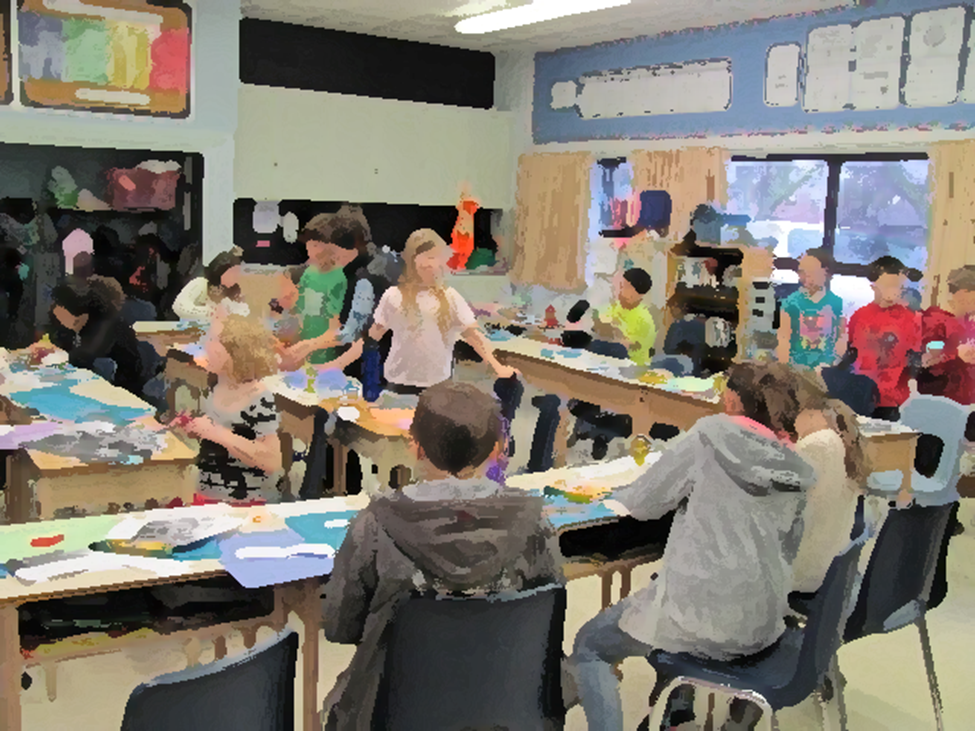
2015-2016
Visual Literacy and Photography: Family, School and Community Practices
Arts-informed qualitative study of Gr 4 Niagara children playfully remaking family photos into collages/stories.
Research StoryResearch Team
Learn more about the researchers, educators, and collaborators behind CLICK.
Meet the Team