2024
Children’s Visual Stories from a Delhi Slum
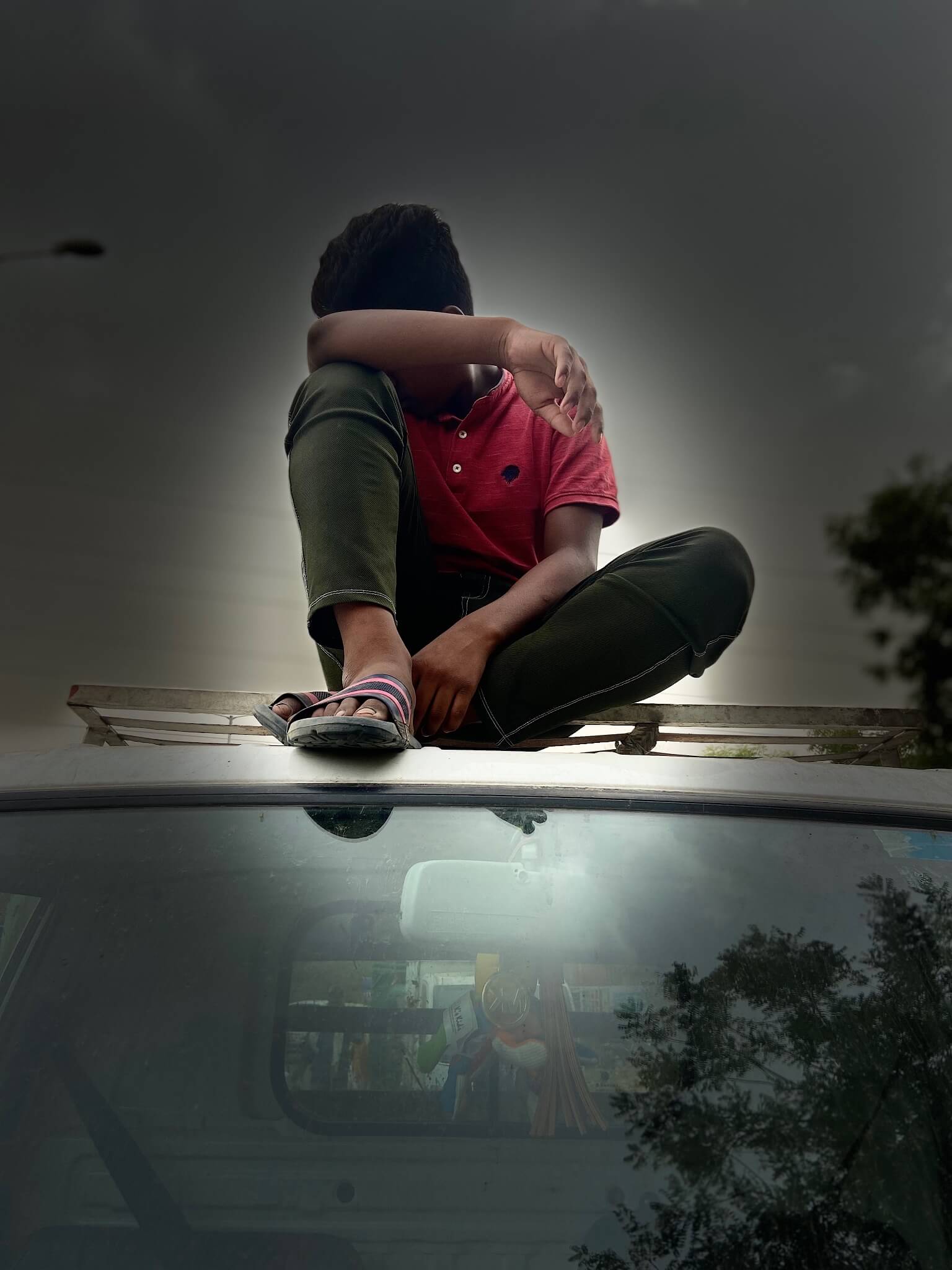
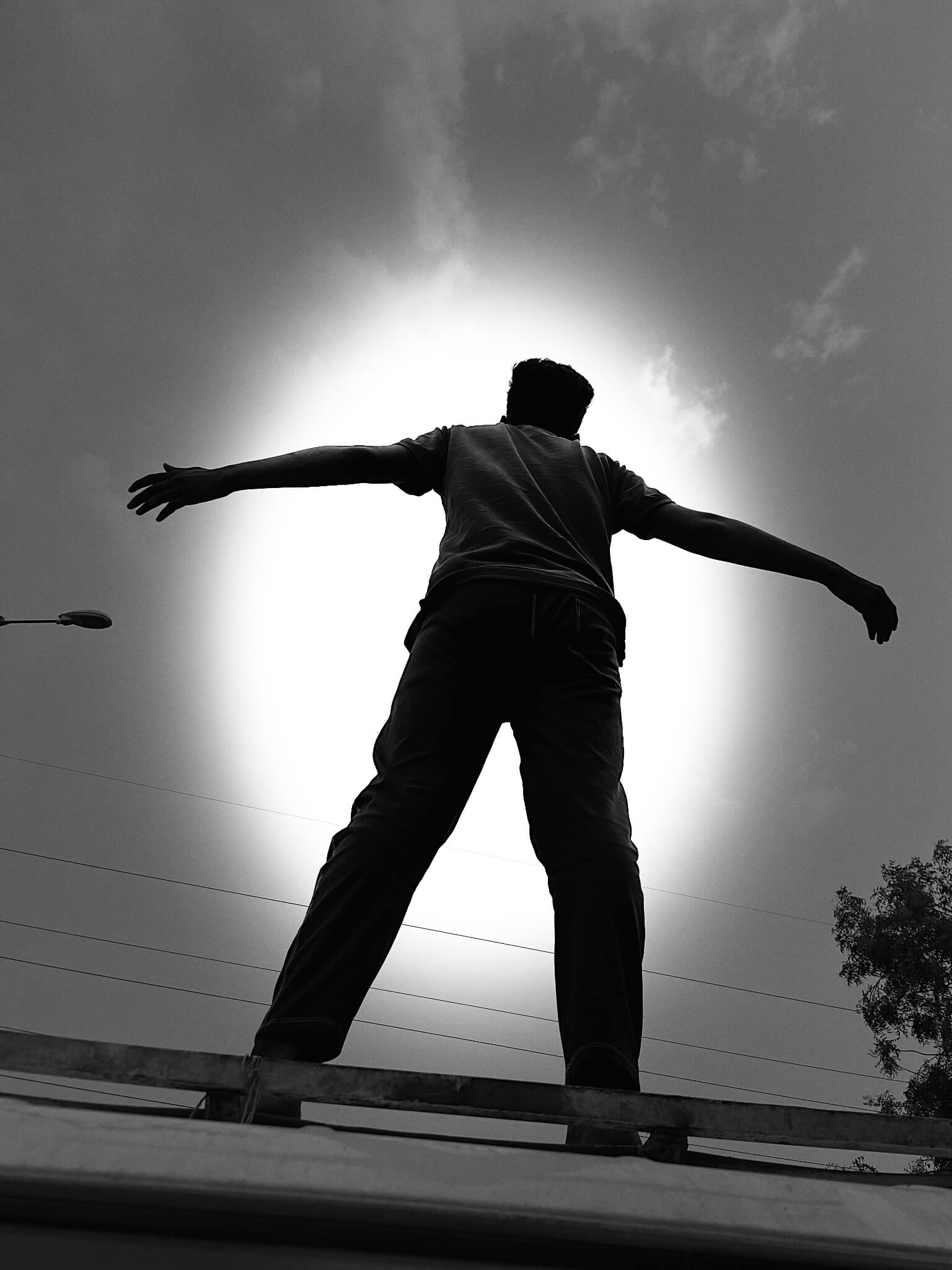
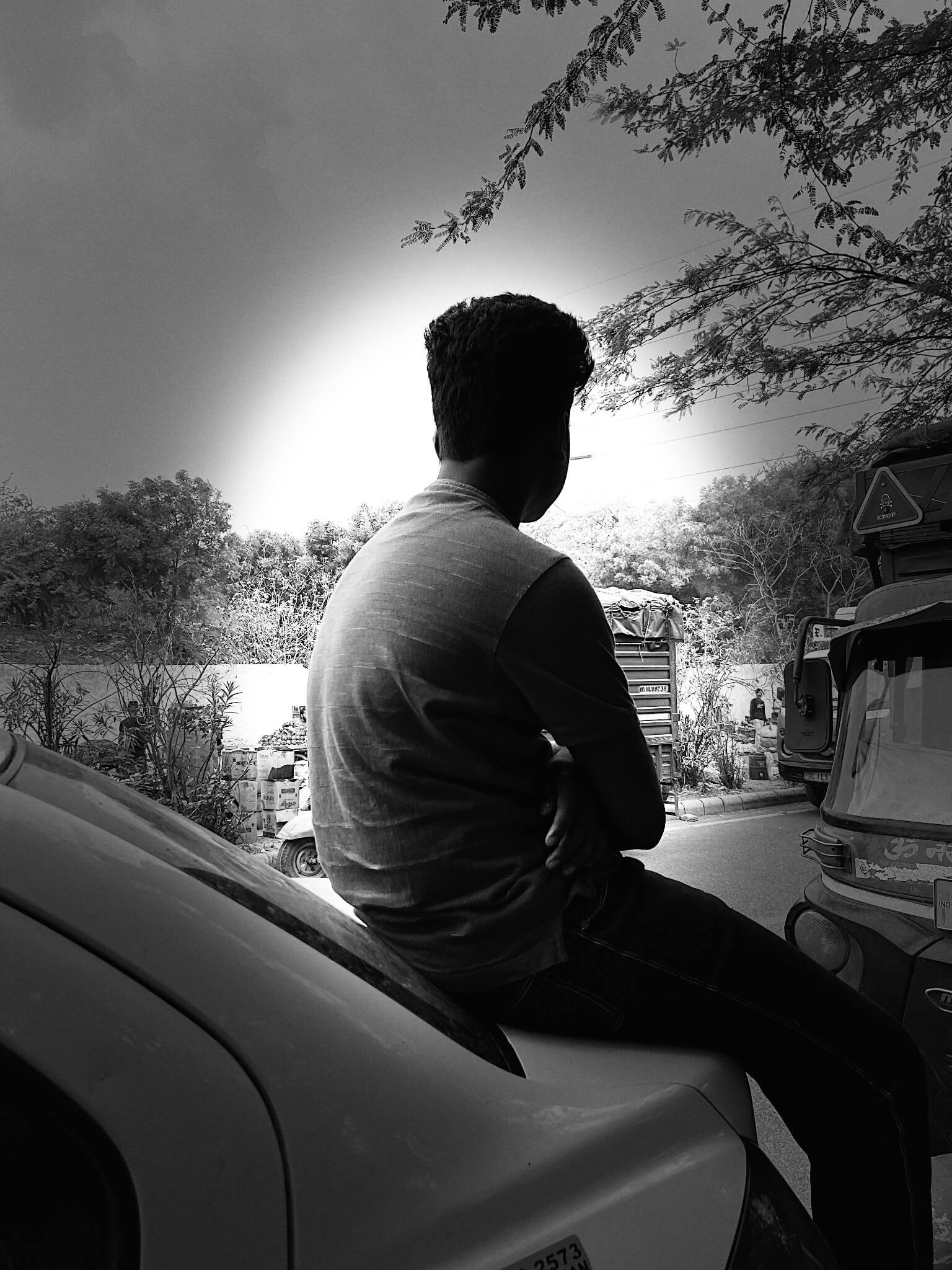
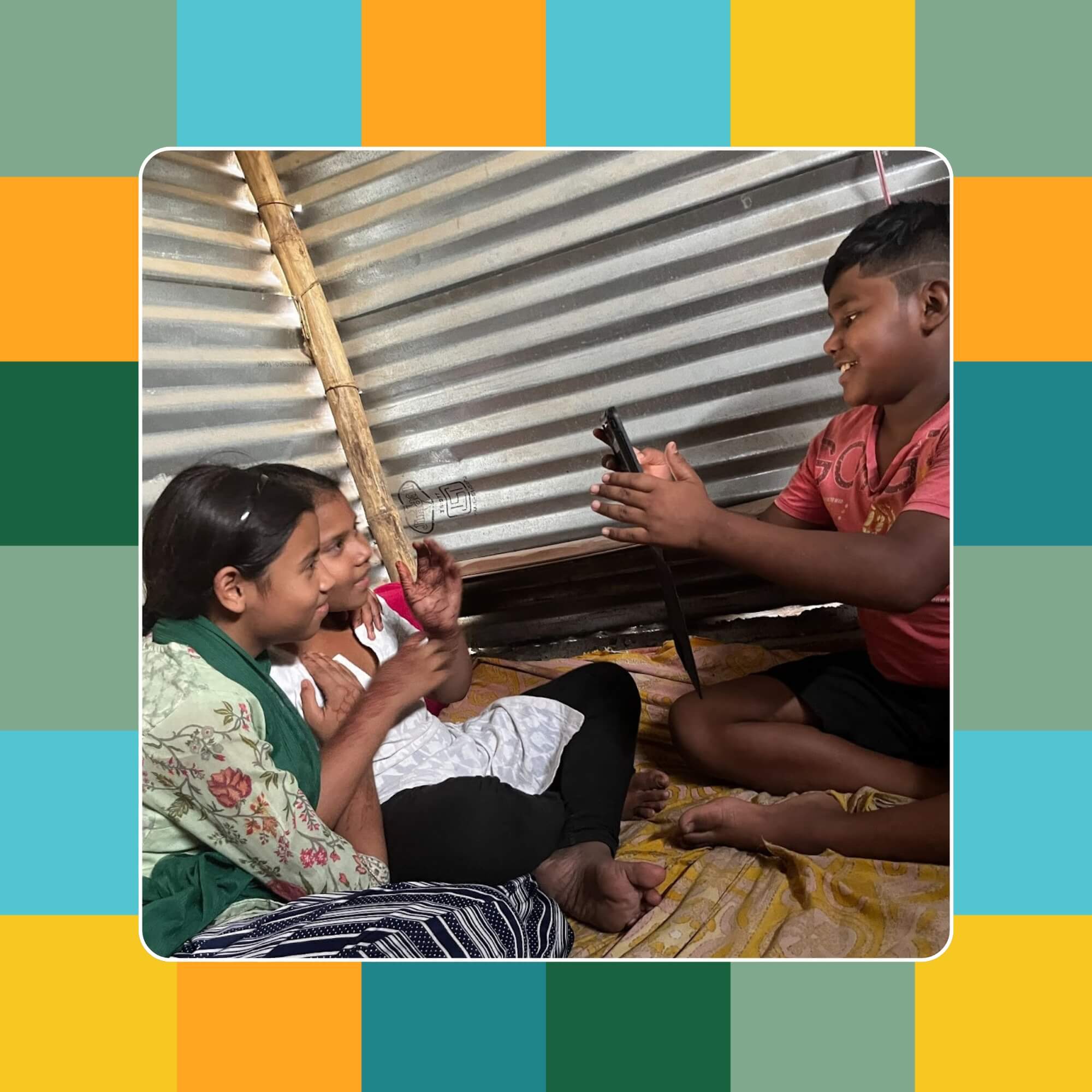
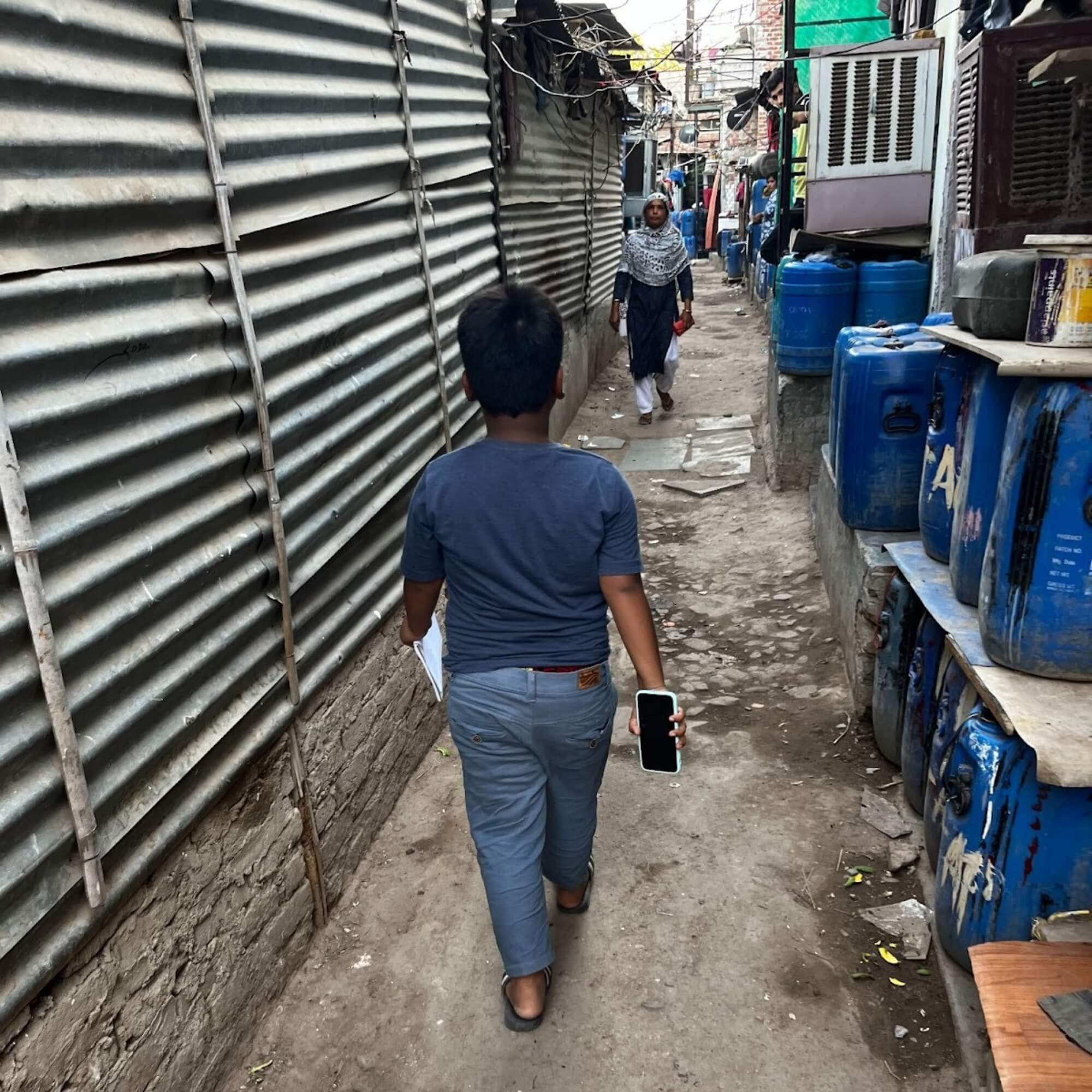
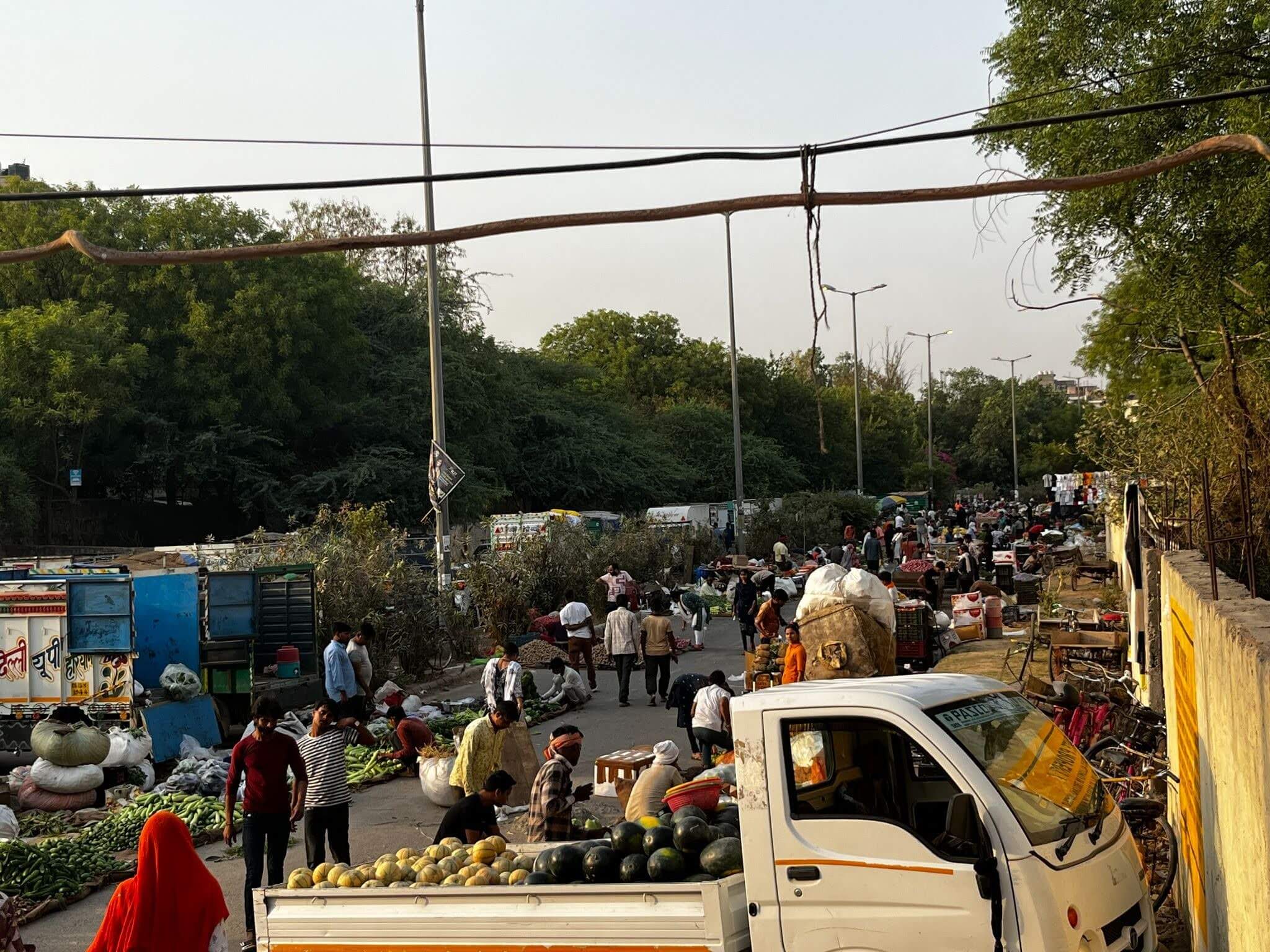
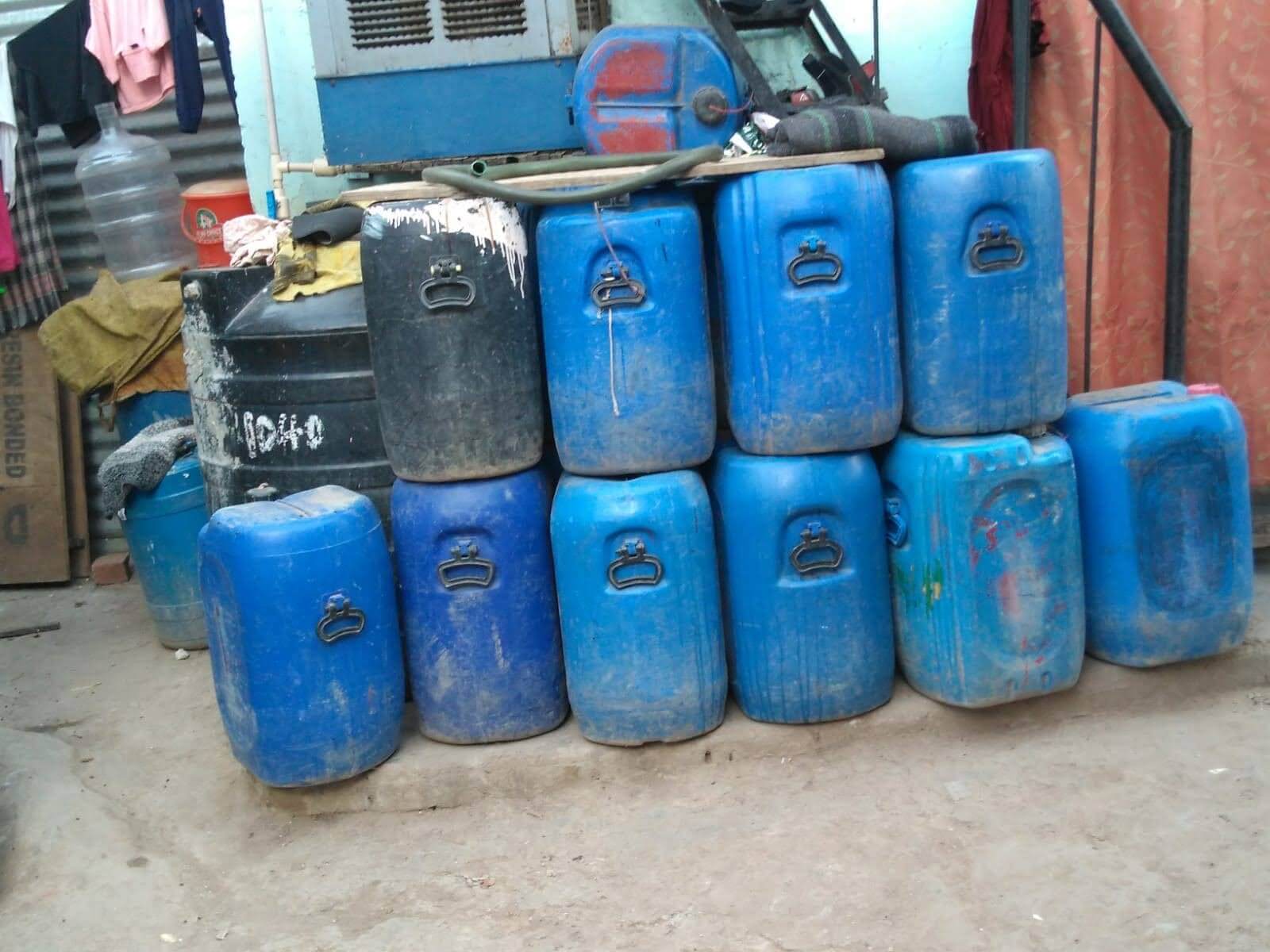
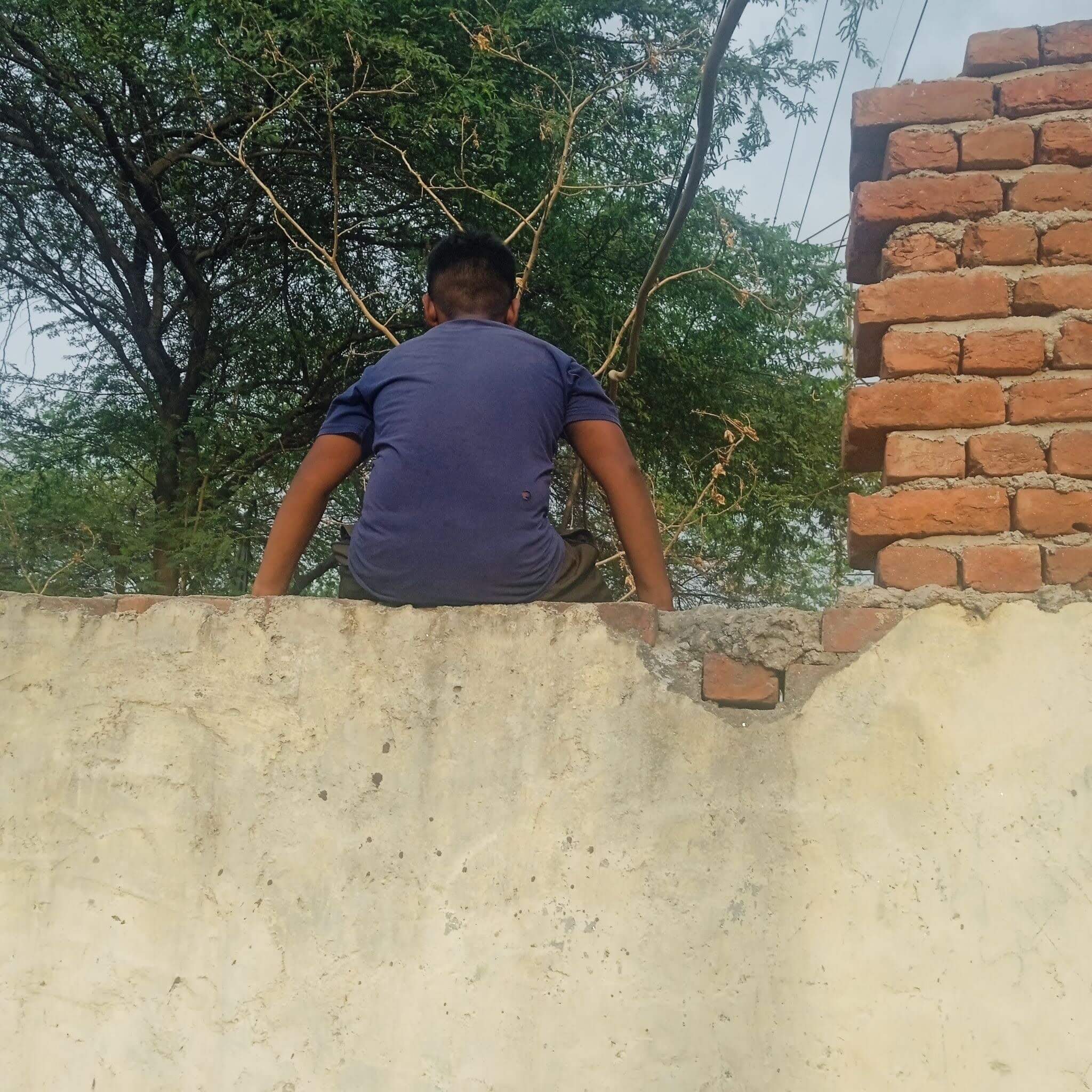
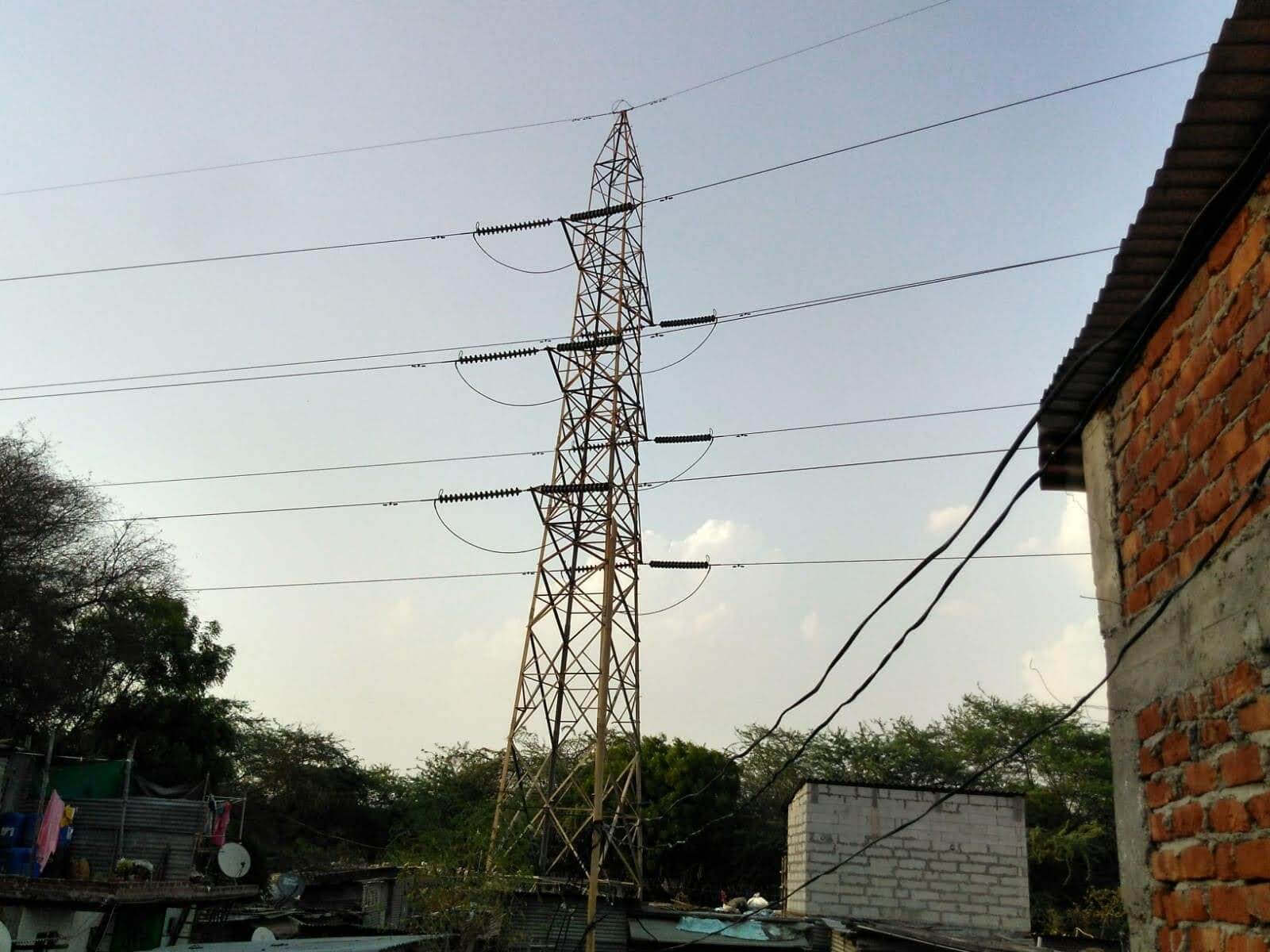
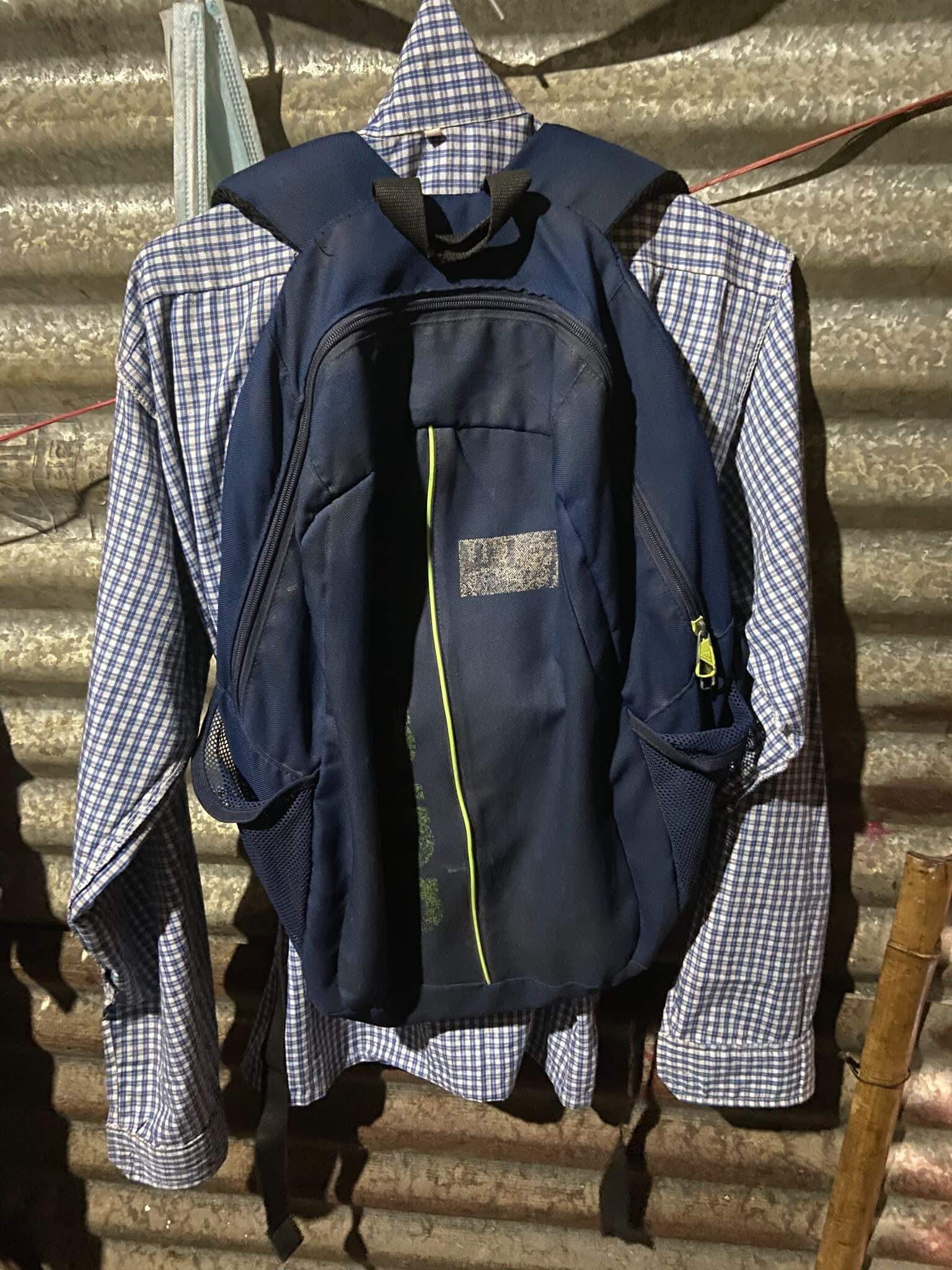
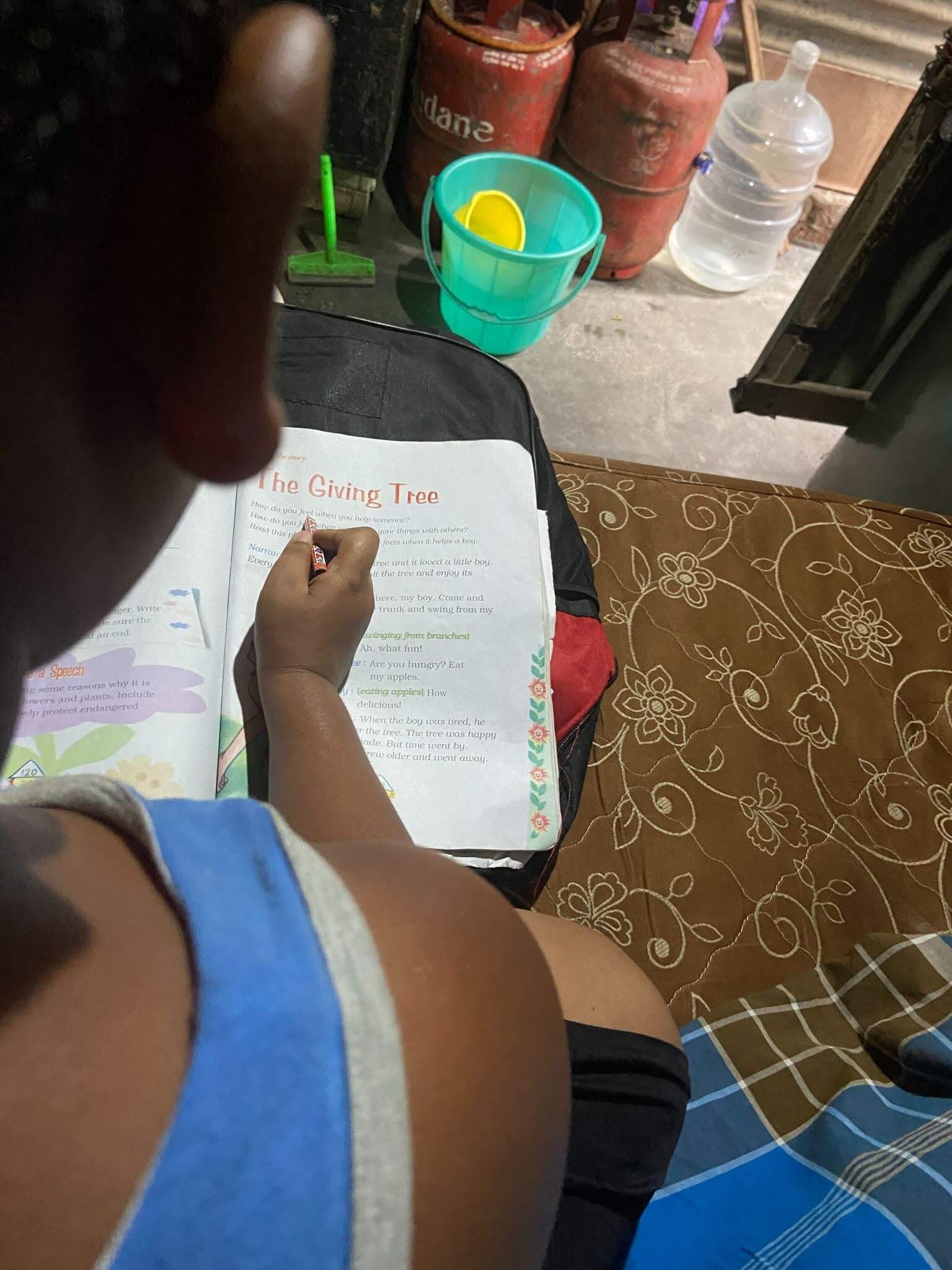
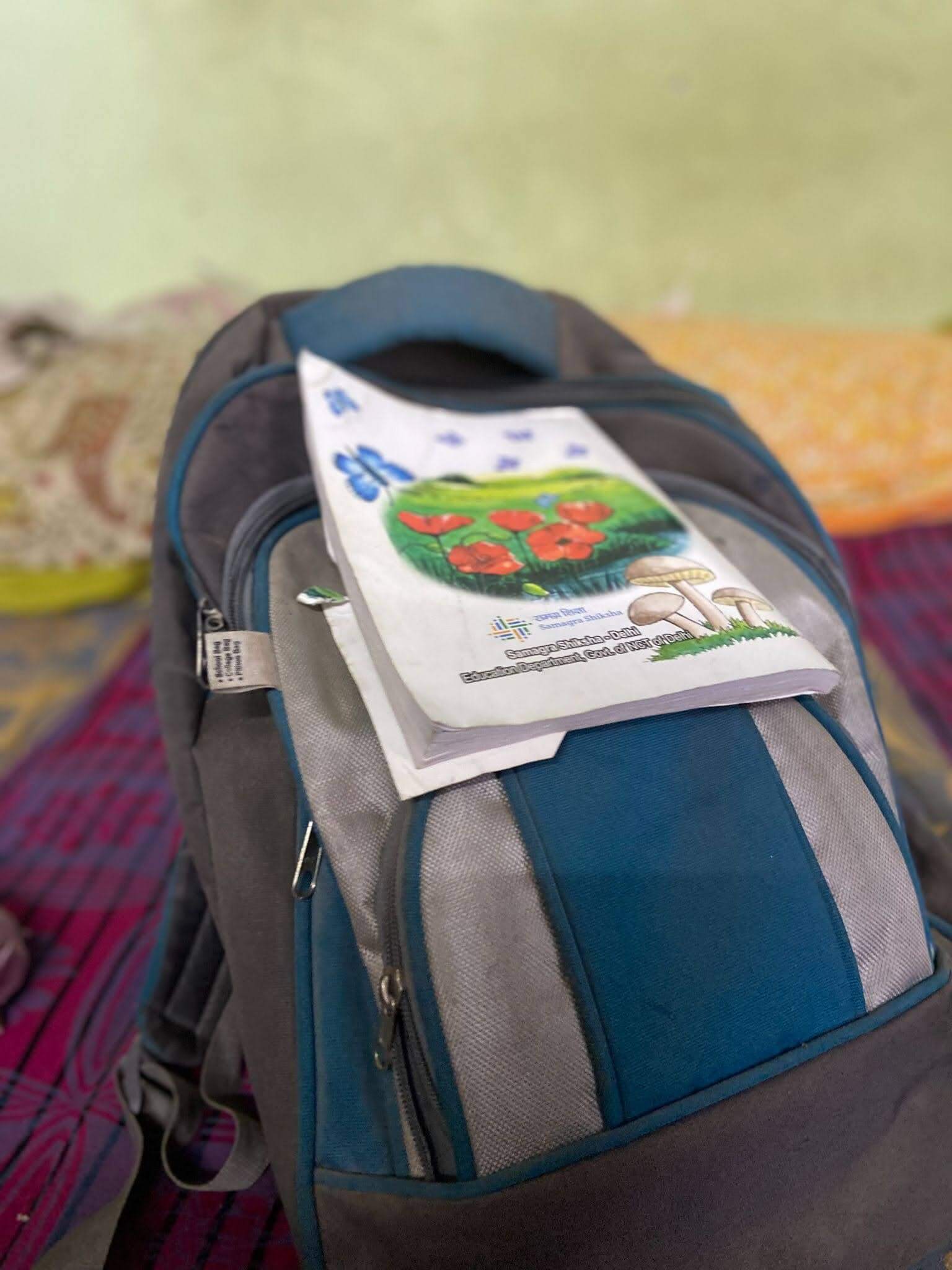
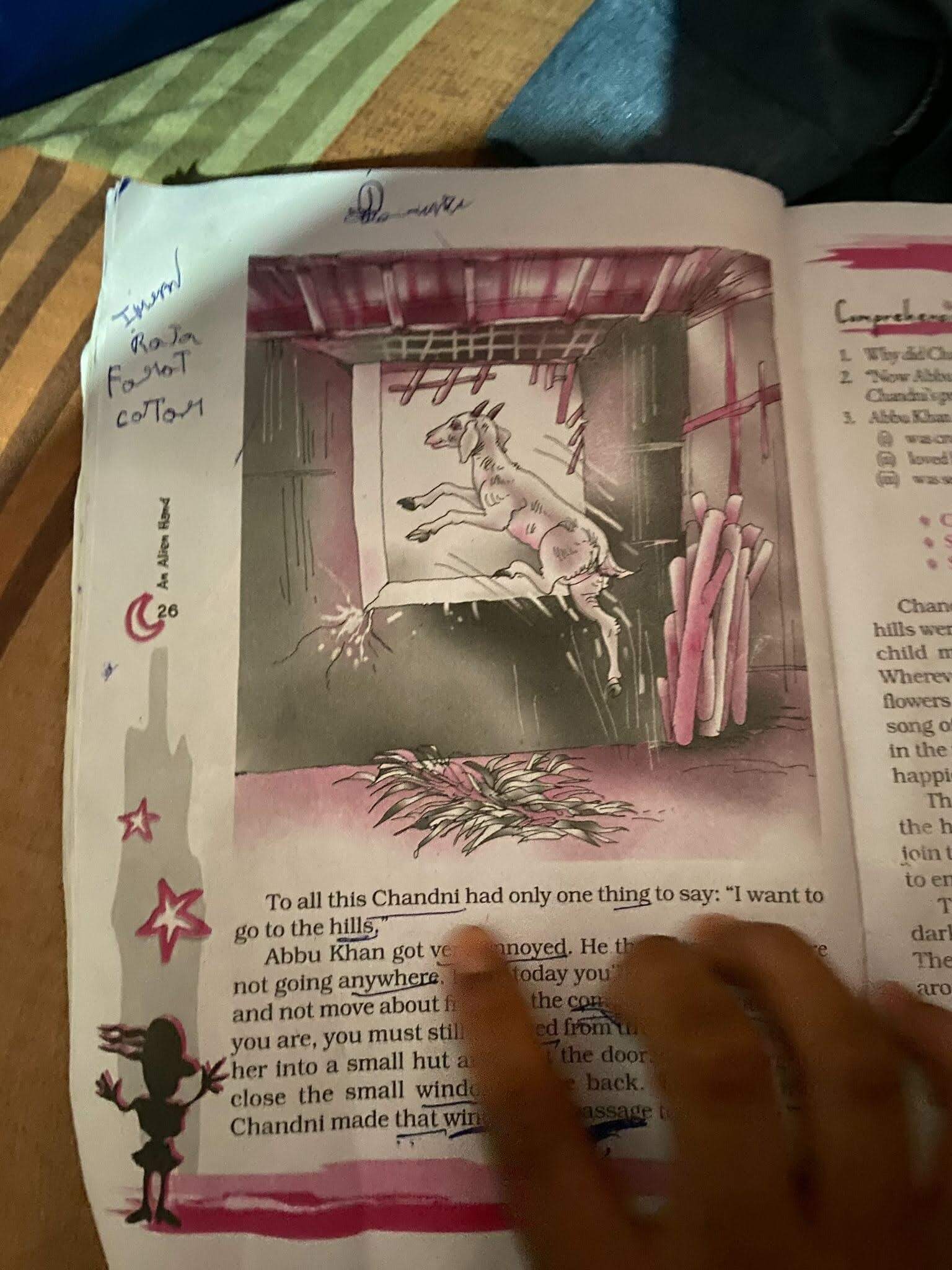
Six children aged 8-14 years living in a slum in New Delhi took photographs to depict and share their everyday lives and identities. These images served as windows for children to learn about other childhoods as well as mirrors to reflect on their lives.
Research story
This research was a part of Simran’s doctoral dissertation where children living in a slum in New Delhi created photographs.
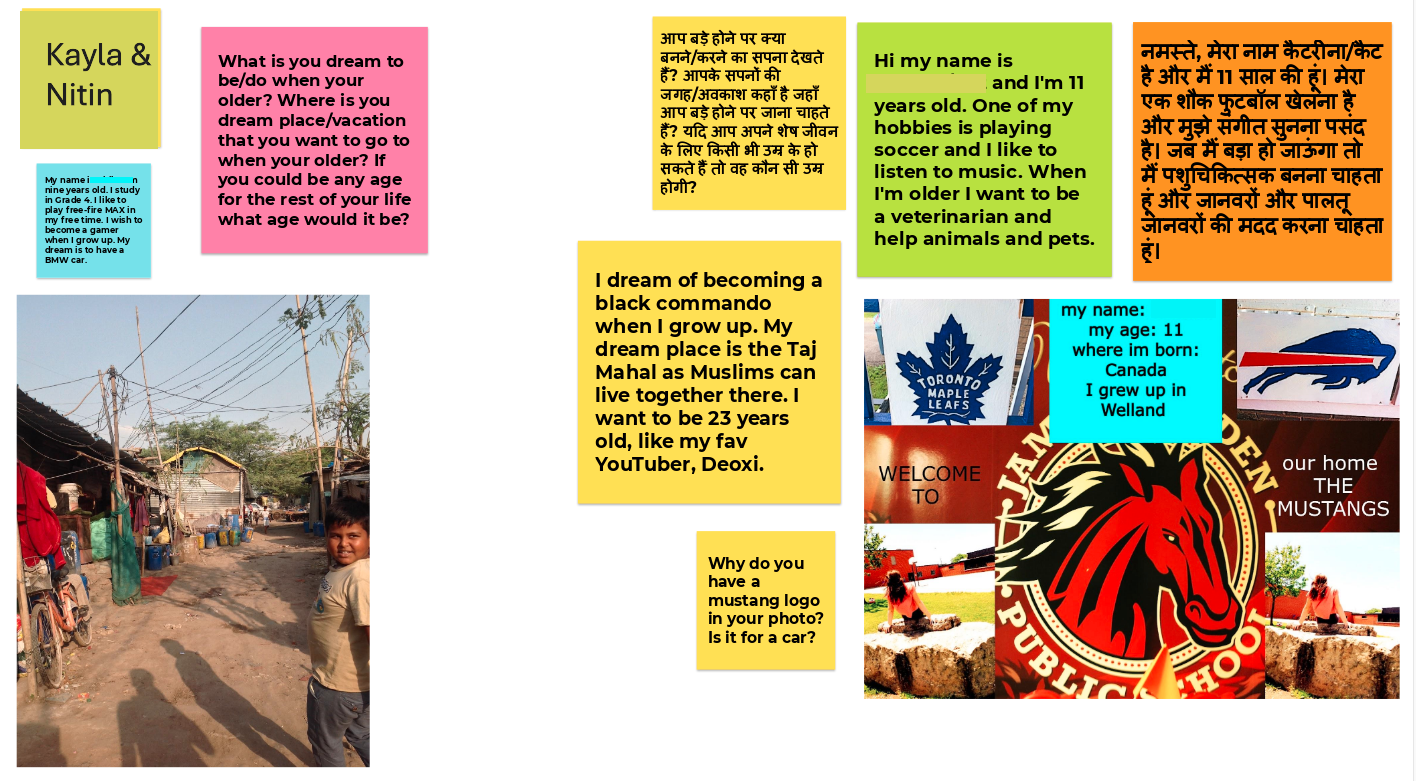
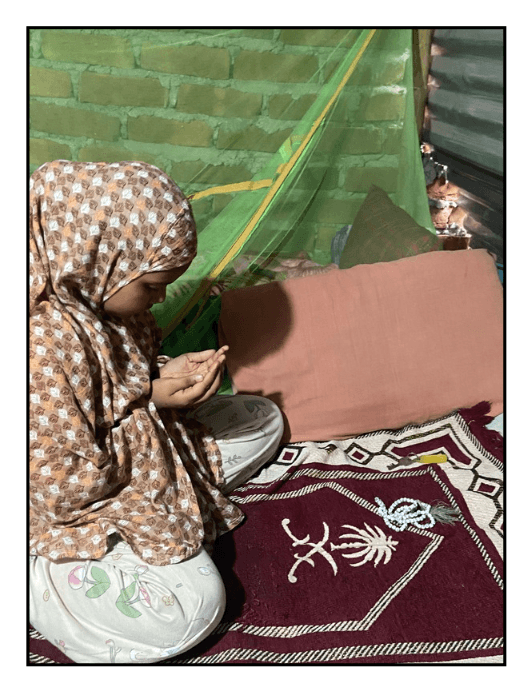
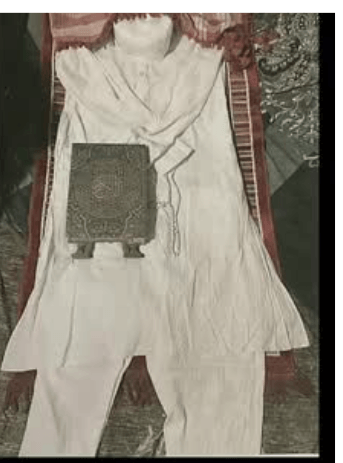
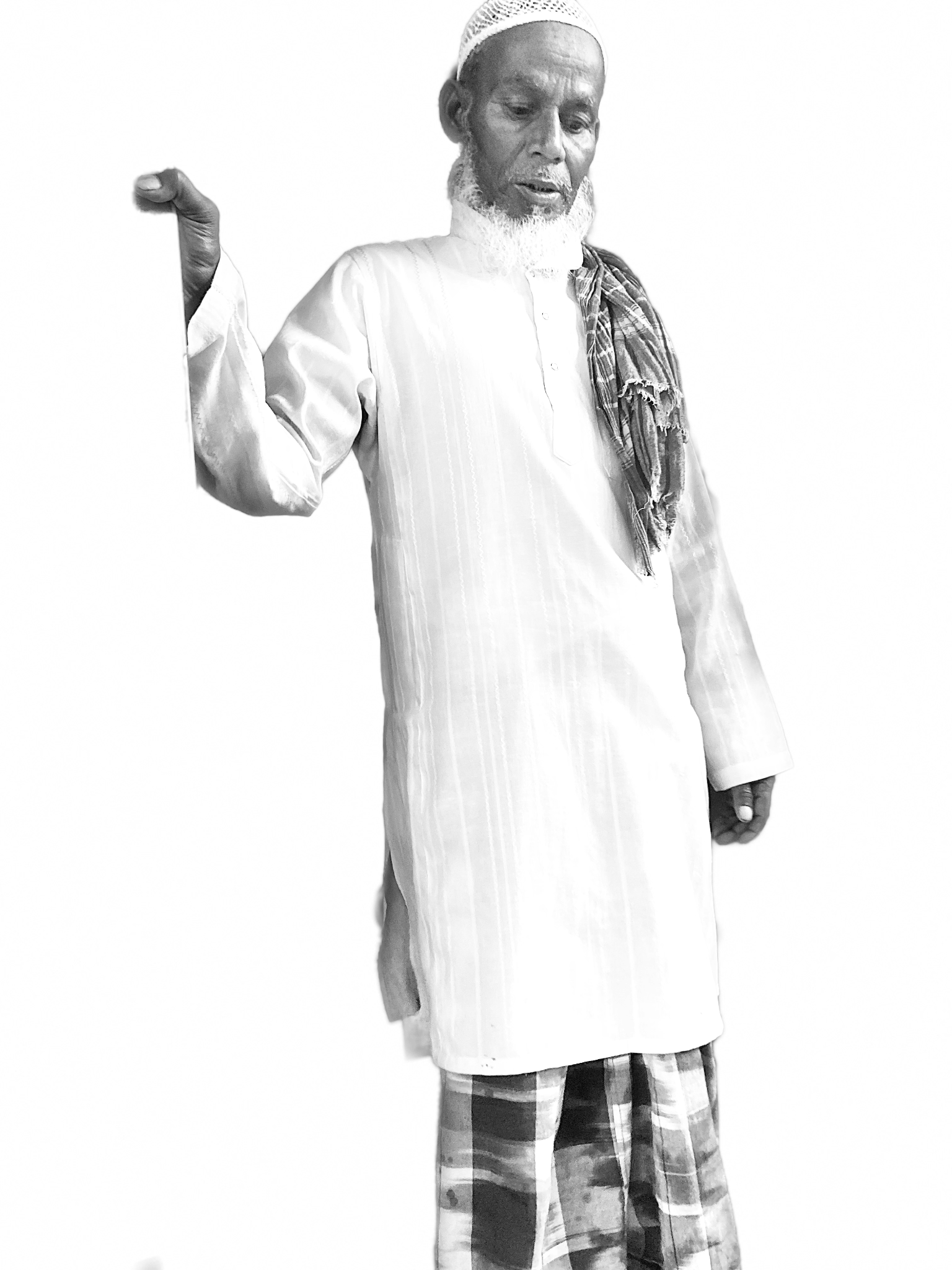
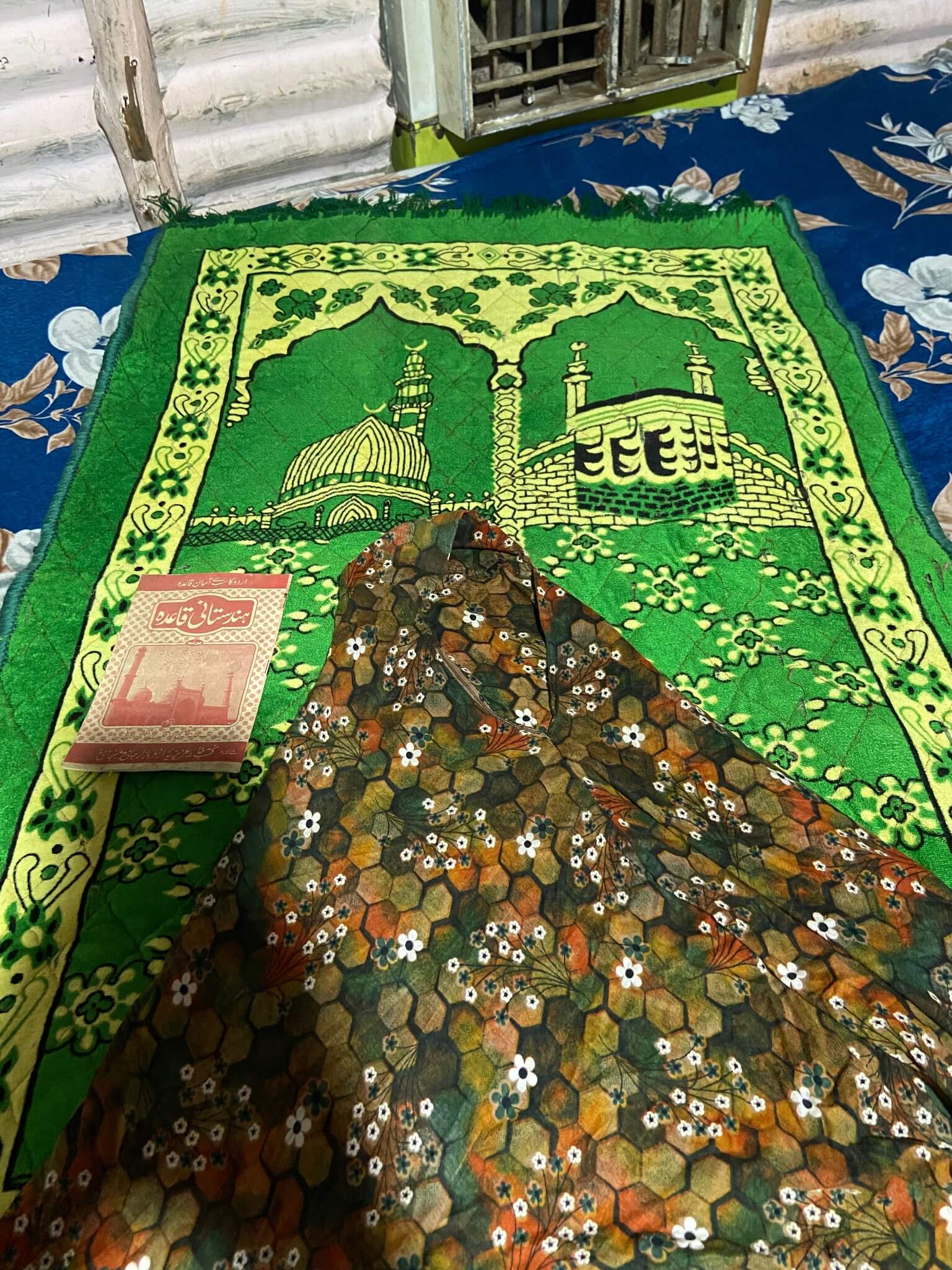
In this three month study, children looked at photographs to highlight their features, content, and style. Children created photographs to showcase their identities as learners, community members and as followers of Islam. When children read their own images, they reveal issues from their lives. Engaging in these reading practices further enhanced children’s critical literacy. As a part of this research, children in the slum exchanged photographs with children at a school in Niagara Falls, Canada. This exchange helped children to learn about each other’s everyday lives and revealed multiple childhoods–childhoods are not universal. The New Delhi research culminated with a community art show.
Children as research collaborators
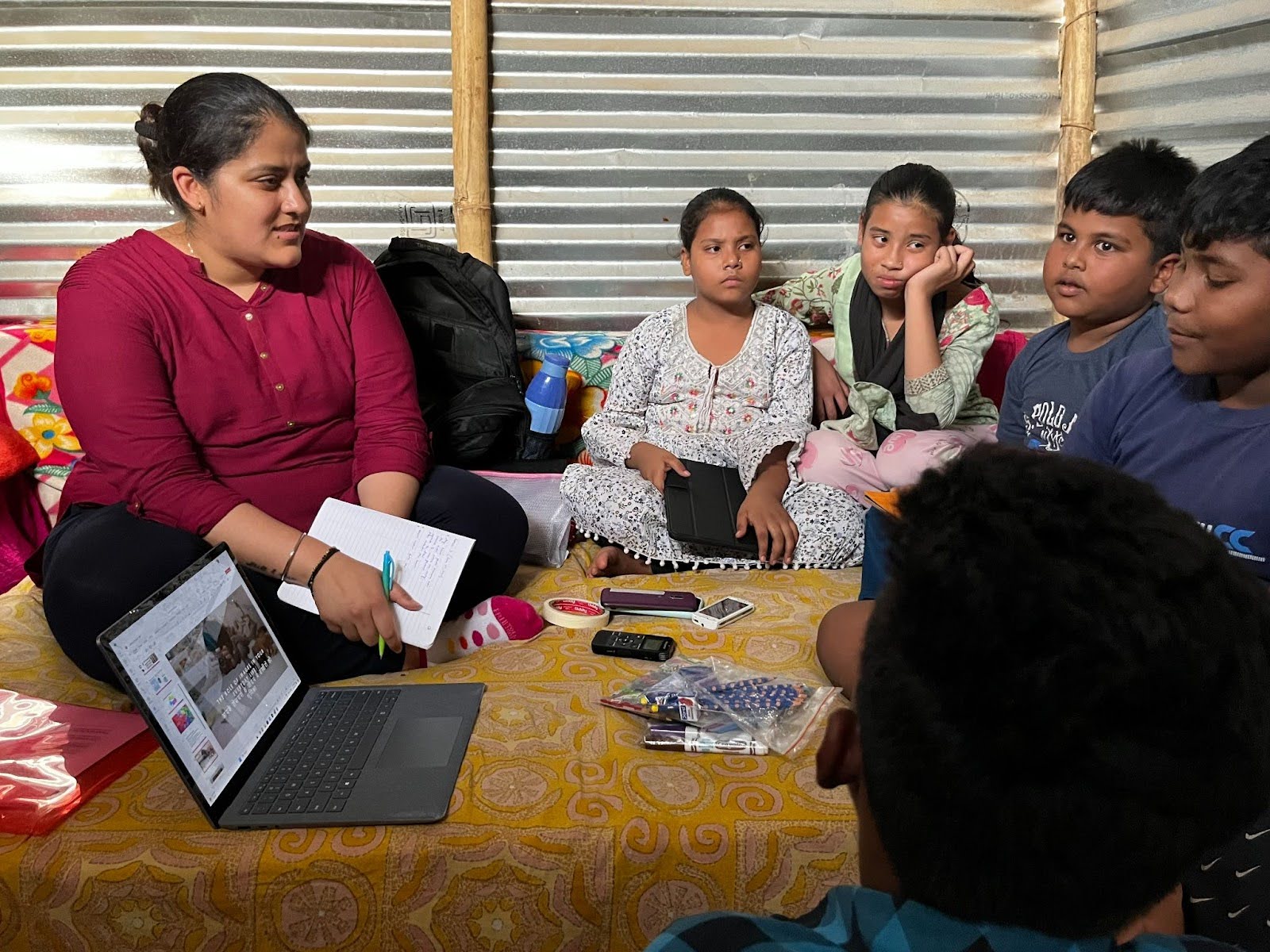
Children learned about research ethics through a discussion about pseudonyms and by learning about what researchers do and where and how knowledge is disseminated. Then they engaged in these processes themselves. For example, children engaged in data analysis and also exercised autonomy in choosing what images they wanted to showcase for their final exhibit. They also created videos showcasing their top three photographs for the audience.This kind of decision-making is not commonly offered to Indian children.
Publications:
Kaur, S. (2025, December). Yeh Hamari Jhuggi ka Eiffel Tower Hai: Exploring Children’s Identities Through Visual Methods. Comparative Education Society of India Conference, New Delhi, India.
YouTube Video:
Favourite Place in the Slum
Life as a Learner
Religious Identity
Faceless Selfies