2015-2016
Family Photography Play and Visual Literacy
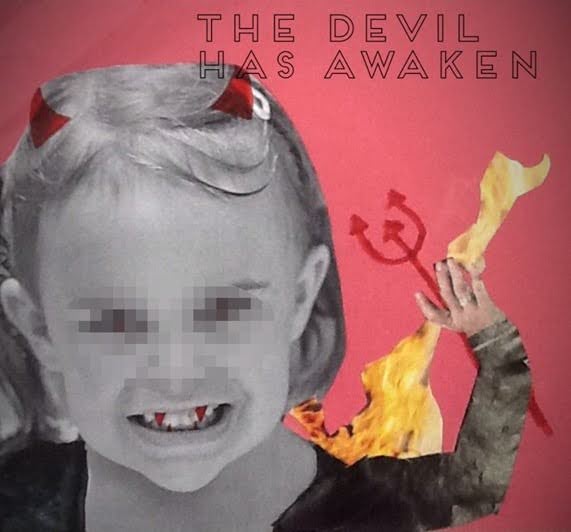
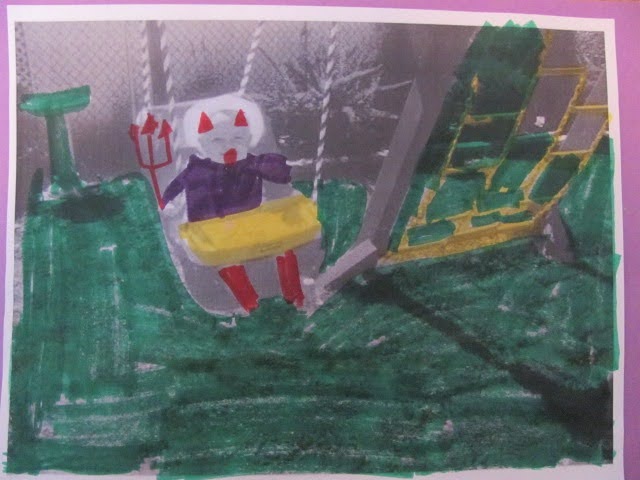
In this research, children (~9-10 years old) worked together with materials in ways that that defy notions of children as individual textmakers. They played, borrowed and remixed across materials and digital tools to tell stories of family and themselves. Their stories were funny, serious, and borrowed on conventions from social media communications.
Research story
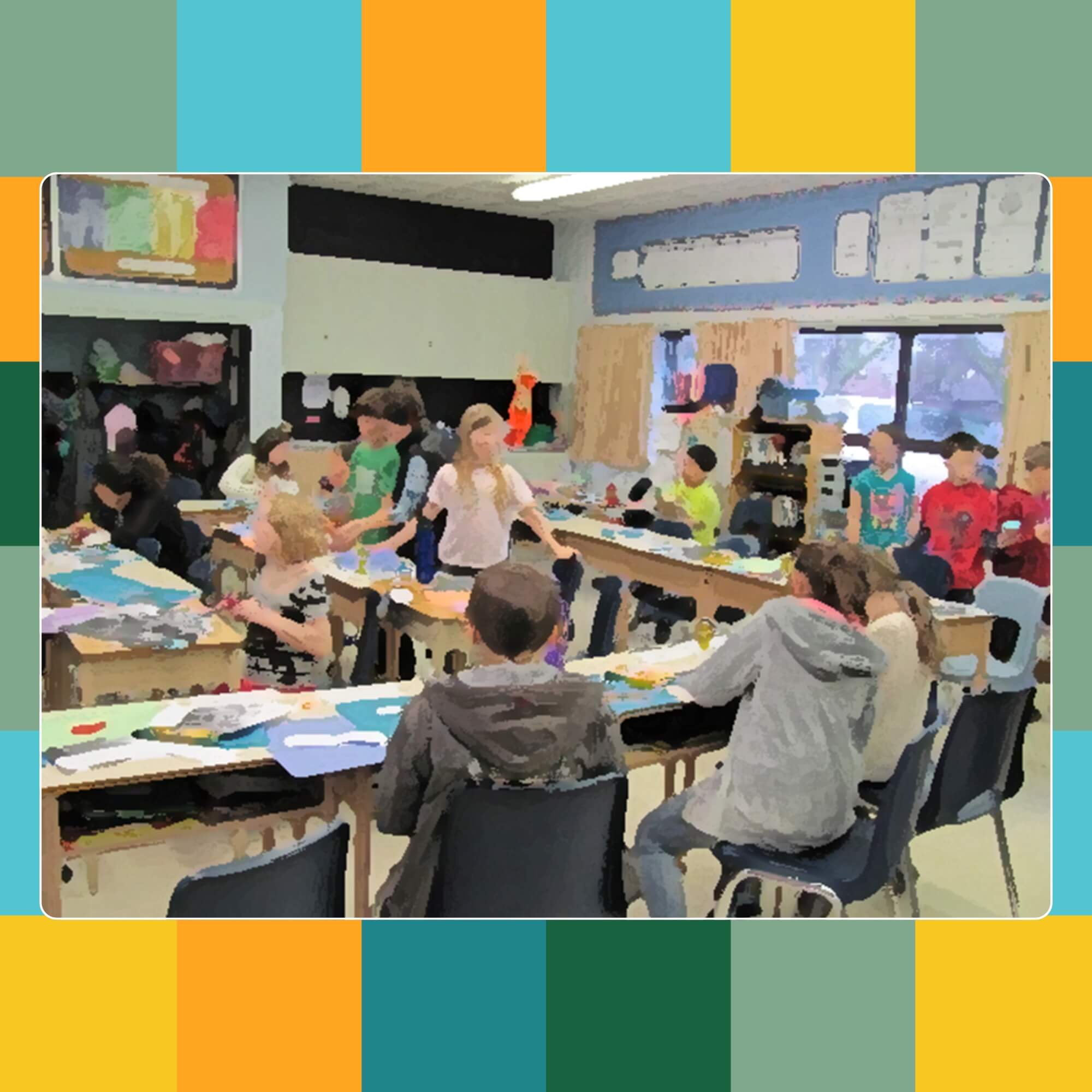
Set within a low income, mid-sized Canadian town, grade four students, their teacher, educational aid, and three researchers completed a six-week inquiry into family photos.
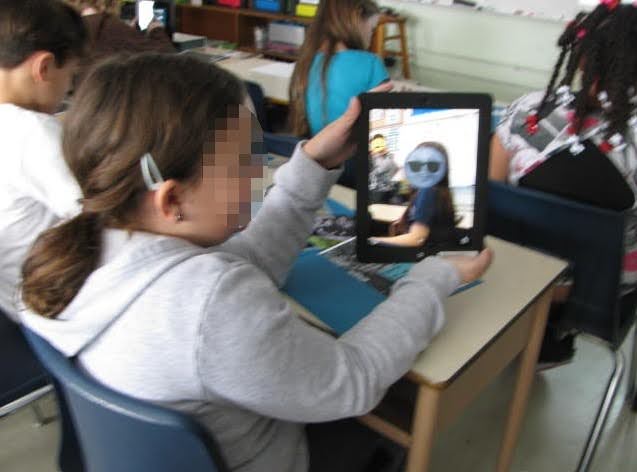
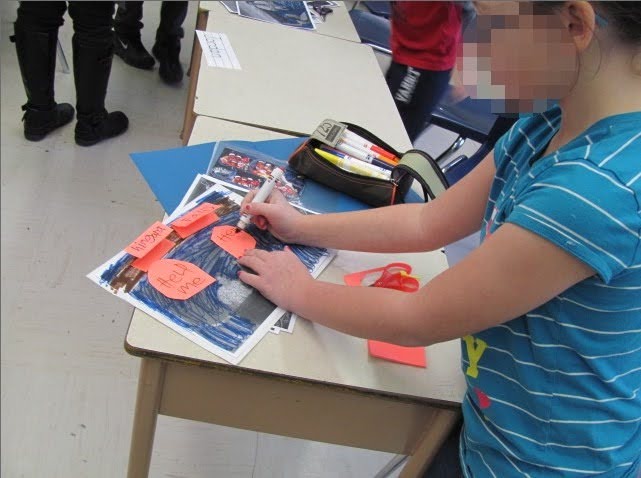
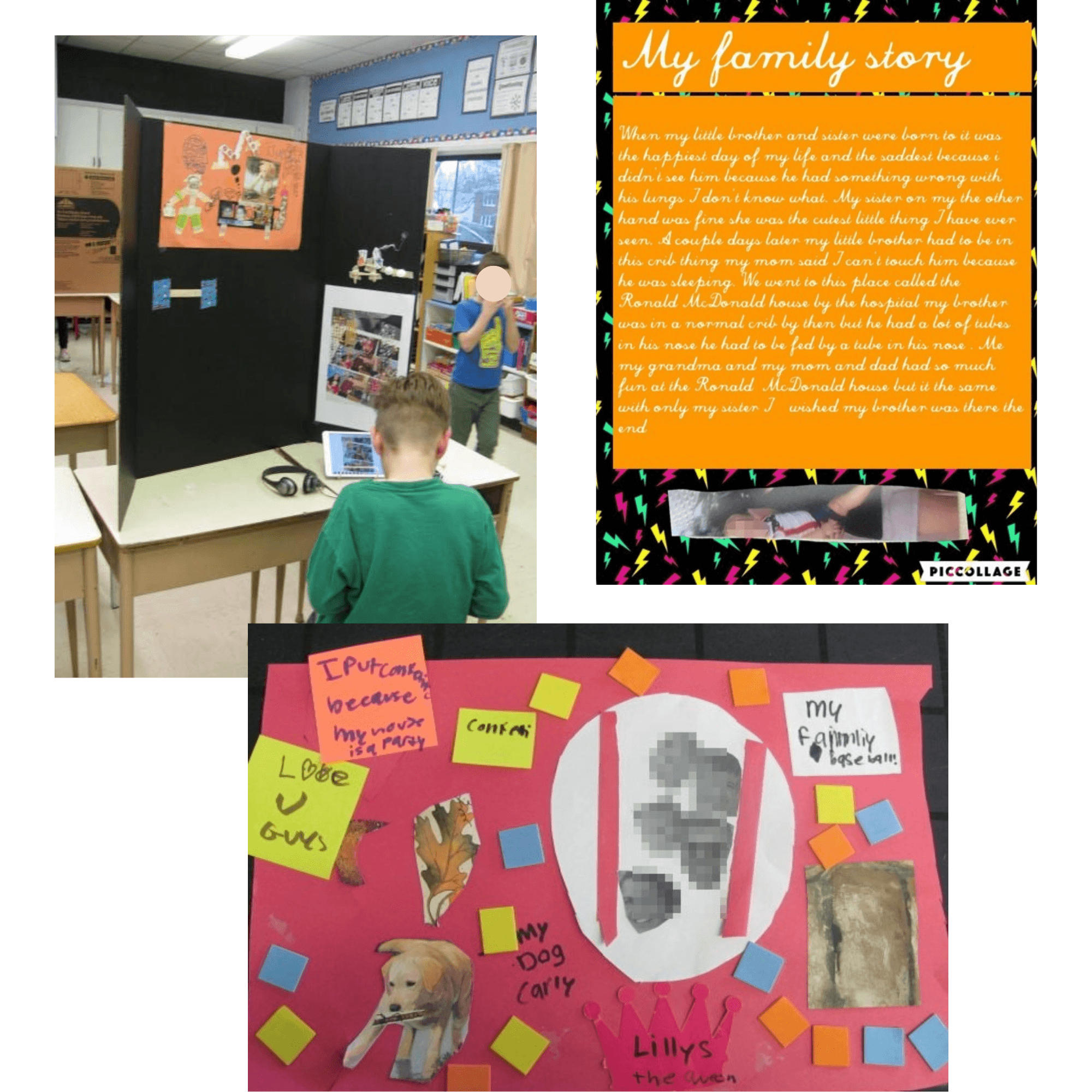
We brought iPads and arts and crafts supplies into the space for children to use to create new multimodal texts from their own family photos. As researchers. we witnessed children remixing: doodling on family pics, pictures, superimposing emojis on photos, cutting up photographs and making playful collages, and redesigning photos in PicCollage.
What happened over time is that smaller groups of children formed over the six weeks and these groupings were in large part due to relationships that existed both inside the classroom (best friends) or outside the classroom (families who did things together). Children’s unofficial child cultures (Dyson, 2013) came into the classroom space. Emojis, stickers, and selfies found their way into the collages, as did animal family members, other families, and “hallmark card” like statements, “I love my family” or “My family is the best”. Interestingly, children appeared to work more collaboratively and shared in small peer groups while using the iPads and working with art materials tending to be more solitary.
Children as research collaborators
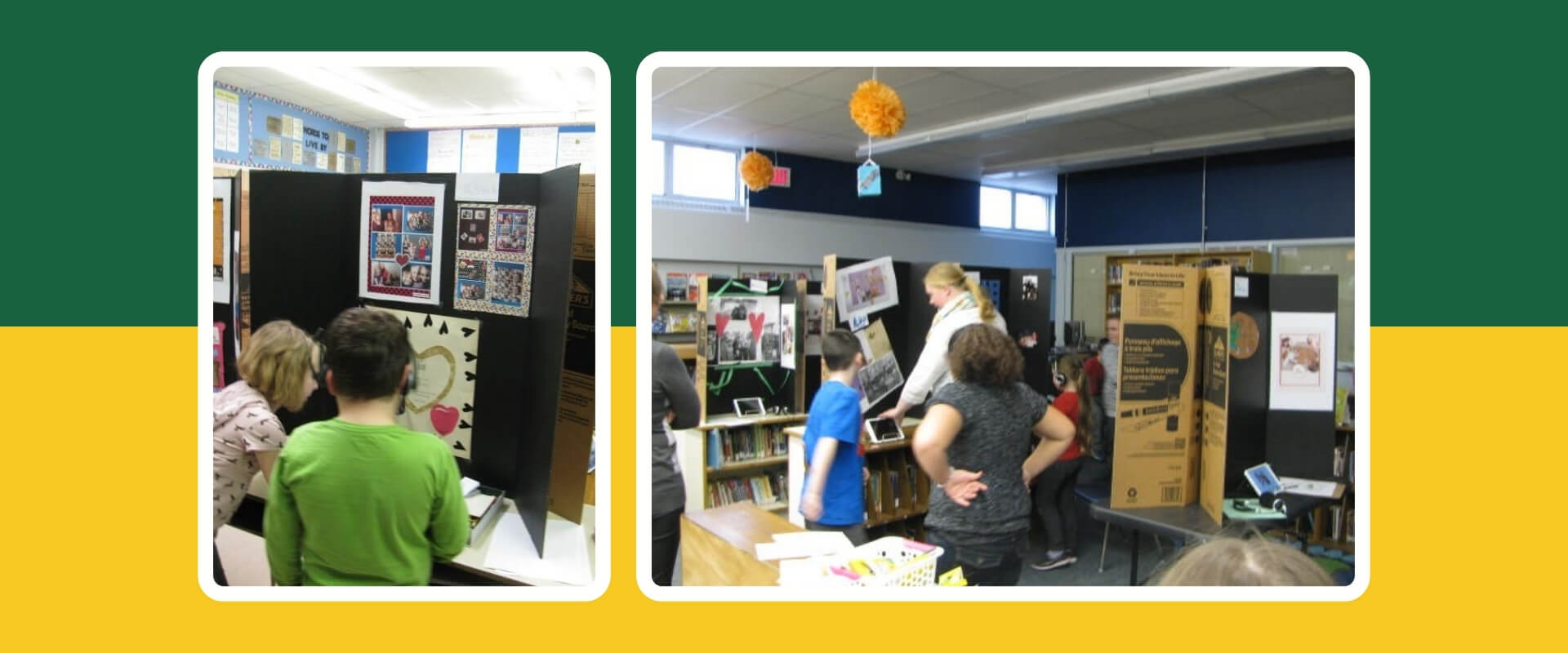
In this project, children received training in how research works, and what consent/assent involve. They actively agreed to include images and work created, or not. Researchers followed children’s lead by each day observing what children were making and improvising, and built the next day’s focus and data generation on their insights. They selected what work would be shown in the final art show and produced an oral summary of what it told about them and their family.
Publications:
Collier, D. R. & Rowsell, J. (2020). Revealing, retelling, and remaking family photos. In K. Pahl, J. Rowsell, D. Collier, S. Pool & T. Trzecak. (Eds.) Living literacies: Literacy for social change. The MIT Press.
Collier, D. R. (2019). Re-imagining research partnerships: Thinking through ‘co-research’ and ethical practice with young people, Special Issue, Studies in Social Justice, 13 (1), 40-58. Publication Link
Collier, Diane R. (2018). Doodling, borrowing, and remixing: Students inquiring across digitized spaces. Reading Teacher, 72(1), 125-130. Publication Link
Images created by children