2019-2021
Family Artifacts – Building Community through Photographs – Visualizing Citizenship
Young children (7-8 years old) engaged in a several months long project to explore why it was important to respect diverse cultures and traditions in their community, and we studied this process. Children took photographs of family cultural artifacts and collaborated to create new multimodal texts and to engage in critical empathy. We asked, “How are critical media literacies built through collaborative visual compositional practices?”
Research story
We were inspired by Wendy Ewald’s Literacy through Photography (LtP) process, which asks children to write, plan, and dream before they take photos.
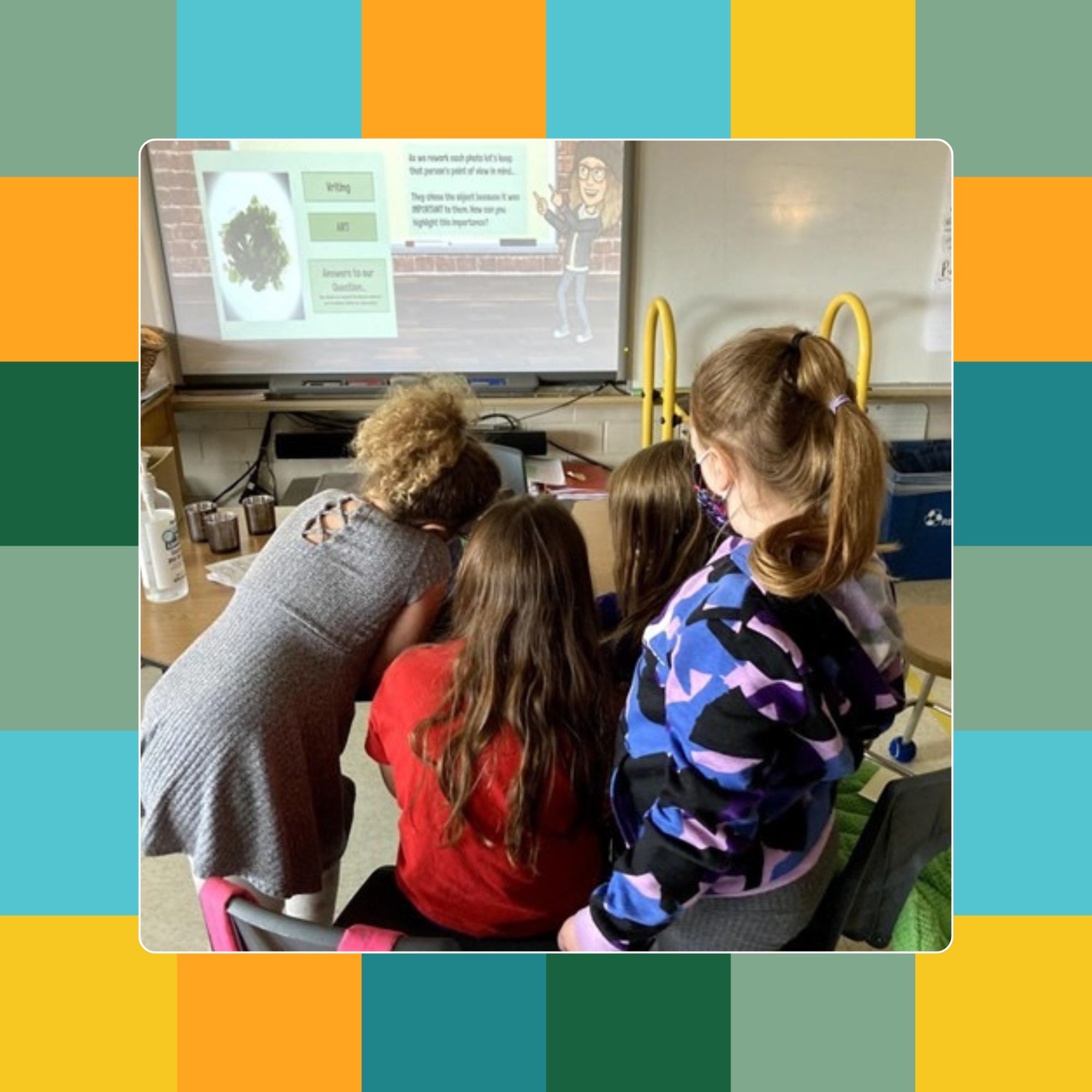
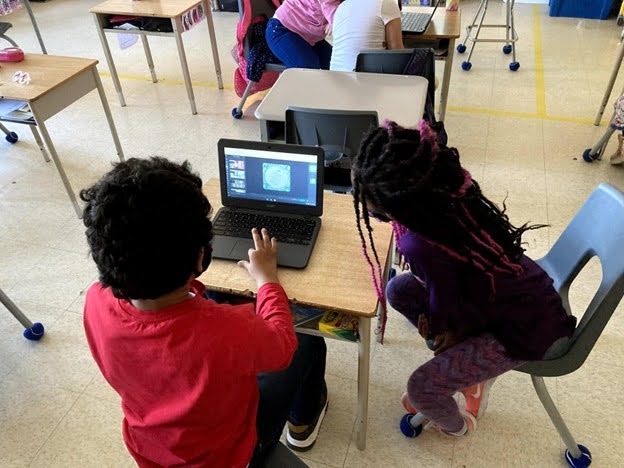
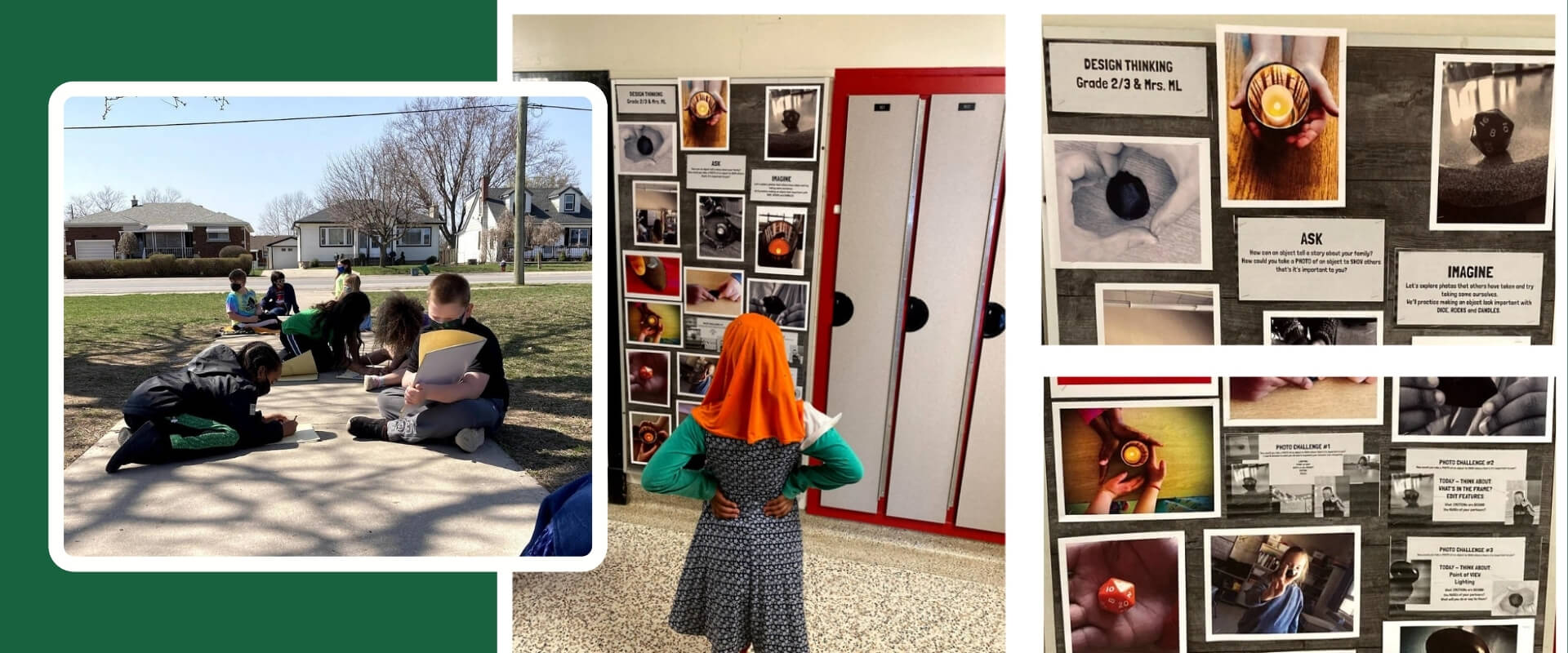
Children built understandings of culture and tradition alongside building photographic skills. They took and modified their photos (and those of their peers) in an elaborated collaborative photo-editing process. Children created other texts in other modes and finally produced a website to share with a wider audience. Over the period of research, children werecanva sometimes online and sometimes in person. Diane was never in person due to COVID-19 restrictions, and joined children via her laptop and children who brought her to activities and conversations through an iPad.
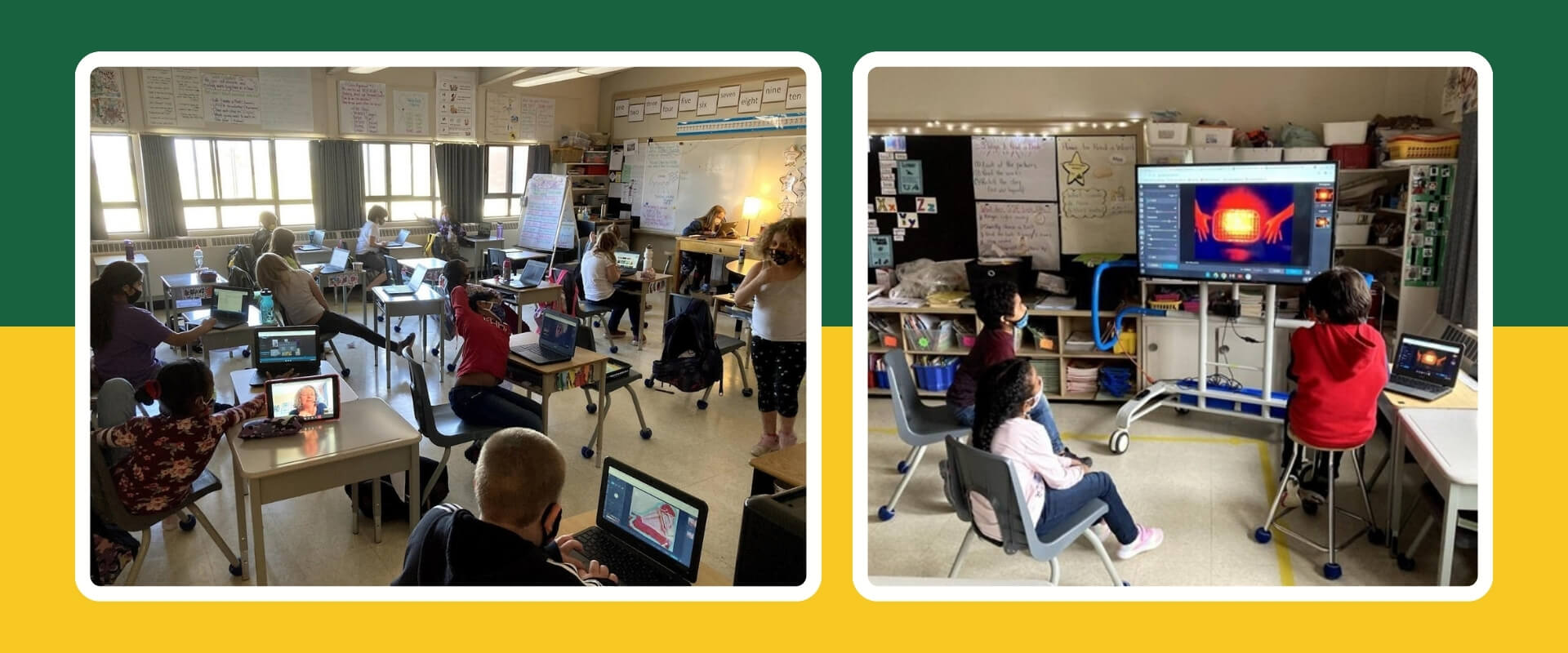
As part of our analysis, we examined collaboration in the classroom, beyond the classroom (with families), with the school community and finally with more distant online audiences.
Each audience added another layer of collaborative insight into the process of composing, from our own community to a wider, global audience.
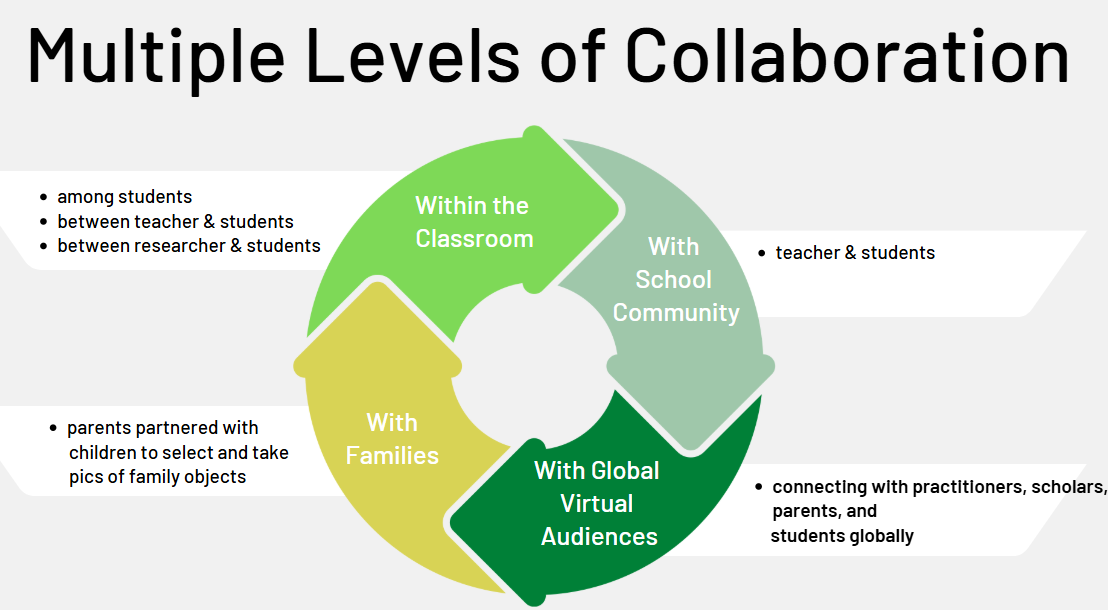
The insights gained from this work reflect a kind of slow teaching that fed into children’s autonomy and enabled them to reflect on and redefine concepts like culture, traditions, identities. Children were able to develop nuanced understandings of what makes a culture beyond essentialized understandings of language, race, gender and religion. Integral to learning is the connection with others, in and out of the classroom, local and global, and working across difference. Finally a sense of citizenship as responsibility and a deep empathy for others was built.
Children as research collaborators
In this study, we spent a great deal of time at the beginning talking about research and researchers and how children were researchers too, in their everyday lives and in this project. Ongoing assent was part of the research practice. In selecting their final images and texts for their website, children were asked to keenly reflect on what showed their everyday cultures best. Alongside this capacity to pare down and emphasize what they saw as important, children built critical visual literacy competencies of looking closely, slowing down, and thinking of others when working with images.
The website below shows the final work that children chose to share with a wider audience.
Visit Website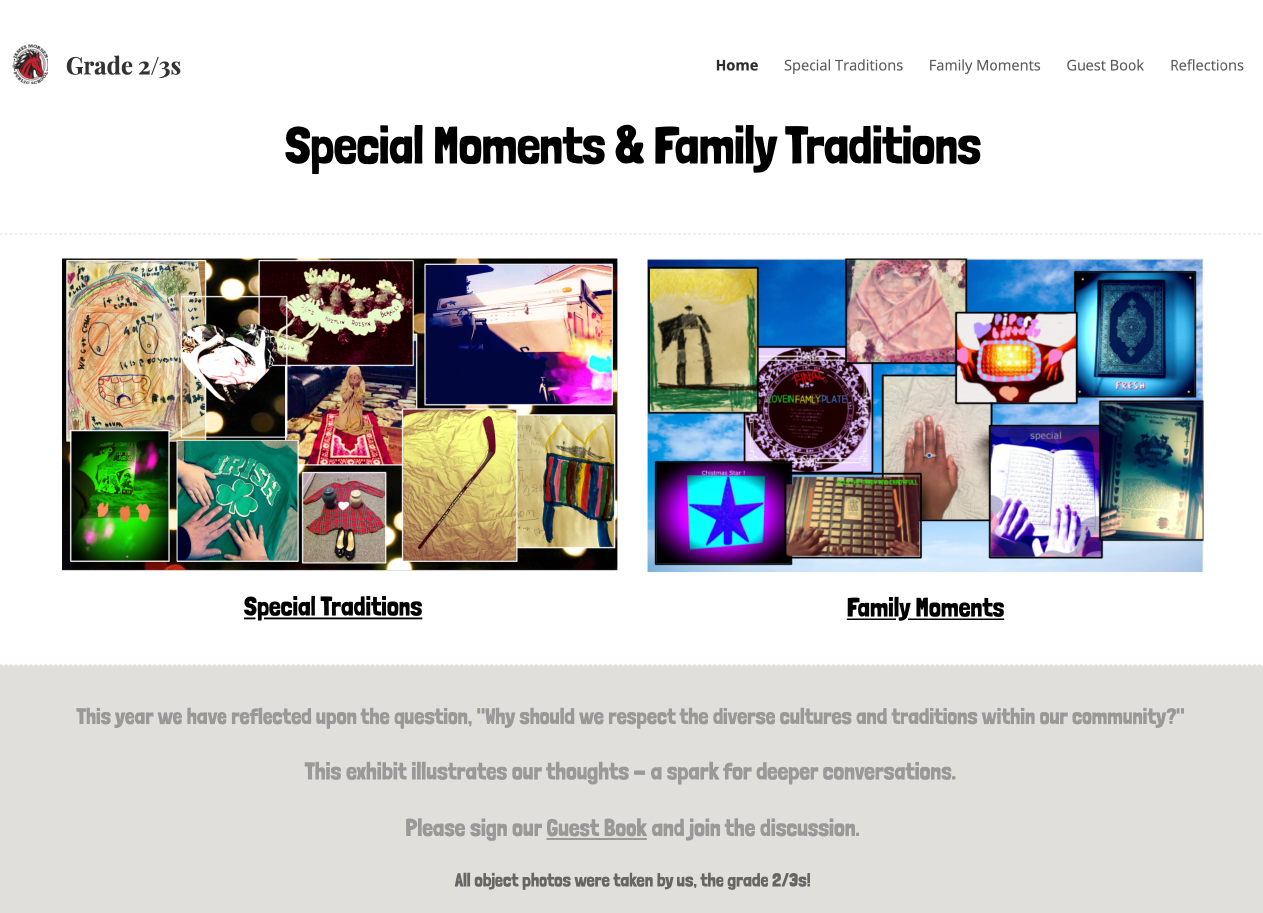
Publications:
Collier, D. R. (2024). Disrupting hybrid ethnographic positions in literacies research: A story of shifting digital relations while virtually ‘babysitting Diane.’ Digital Culture & Education, 15 (1), 1-21. Publication Link
Collier. D. R., Kaur, Simranjeet, McKinney-Lepp, M. & Rondinelli, Z. (2023). Screenshotting what’s important in video data: An experiment in collaborative, subjective analysis of artifactual, cultural research with children. International Journal of Qualitative Methods, 22, 14 pp. Publication Link
McKinney-Lepp, M., Kaur, S. & Collier, D. R. (2024). Beyond making stuff: Co-designing literacies and collaborating for critical empathy. Reading Teacher, 78, 140-150. Publication Link